
A Closing the Bones ceremony is a beautiful, traditional postpartum ritual designed to honor and support the new parent's body after childbirth. Think of it as a warm, supportive hug for your entire being, a practice that gently guides your body back together after the incredible expansion of pregnancy and birth.
Understanding The Closing The Bones Ritual
Pregnancy is a journey of opening. Not only does your body physically open to grow and birth a baby, but you often find yourself opening emotionally and spiritually, too. The Closing the Bones ceremony is a way to mindfully mark the end of that chapter, creating a moment for you to feel held, supported, and acknowledged.
This powerful ritual offers more than just physical comfort; it creates a safe space for emotional release. It helps the new parent feel more centered and "put back together" after the immense changes of the past nine months. It’s a dedicated time for self-care that acknowledges the incredible work your body has done.
A Growing Practice In Modern Postpartum Care
While its roots are ancient, this practice is gaining some serious traction in modern perinatal care. In a recent survey, 68% of doulas in the US and Canada reported offering Closing of the Bones as a core service. That's a huge jump from just 22% back in 2015, marking a 209% increase in its availability as parents look for more holistic ways to support their recovery. You can dig into these findings and the ceremony's growing popularity over at Theoni Papoutsis.
This growth points to a larger shift toward recognizing the deep value of traditional, nurturing practices during the postpartum period. It sits right alongside other forms of dedicated postpartum care that honor this unique time. For families exploring different cultural approaches to recovery, understanding the role of a postpartum confinement nanny can offer some really valuable insights.
The core idea is simple: your body opened to bring life into the world, and now it deserves to be gently closed and honored. It’s a ceremonial way to bring you back to yourself.
And this isn't just for the immediate postpartum period. Many parents find this ceremony incredibly beneficial months or even years after giving birth. It can be a gentle yet profound way to process their birth experience, honor their transition into parenthood, and reclaim their sense of self.
The Rich History And Cultural Roots
The Closing the Bones ceremony is far from a new wellness trend. It’s an ancient, deeply meaningful practice with a rich history stretching back centuries, primarily rooted in the indigenous cultures of Mesoamerica and South America. In communities across Ecuador and Mexico, the postpartum period has long been honored as a sacred, protected time for the new parent.
At its core, the ceremony was created to address the profound physical and energetic shifts that happen during childbirth. These traditions wisely understood that pregnancy and birth are powerful acts of opening. They open the body, the heart, and the spirit. It only made sense that a dedicated practice was needed to lovingly and intentionally close the body afterward.
Honoring The Transition To Motherhood
For these cultures, the ritual was always more than just physical. It was a powerful way to honor the massive spiritual and emotional transition into motherhood, providing a sacred pause to reflect on the immense journey the new parent had just completed.
This was never about "bouncing back." Instead, it was about creating a warm, supportive container for true healing. The focus was on rest, nourishment, and community care, ensuring the parent felt held and supported as they recovered and bonded with their baby.
The ceremony acts as a physical and symbolic closing of a chapter. It helps to seal the body's energy after the immense work of birth, allowing the parent to feel more whole and grounded in their new role.
Historically, this practice was deeply significant for the Maya and Q'eqchi' peoples of Guatemala. It symbolized closing the pathway the baby traveled, which helped with physical recovery while honoring the spiritual shift. This ancient practice, dating back to pre-Columbian times, is seeing a modern revival, thanks in part to a growing appreciation for cultural rituals in maternal care. You can find more insights into this historical context from practitioners like Theoni Papoutsis.
Global Roots And Modern Connections
While its strongest ties are to Latin American traditions, similar practices of postpartum sealing or binding have existed all over the world. Different cultures have their own unique approaches, but they all share the same fundamental goal of caring for the new parent.
- In Russia: A similar ritual is known as "The Seven Locks."
- In Morocco: The practice is called "Al-Shedd," which translates to "the pulling."
- In Ayurveda: The concepts of warmth and closing are central to postpartum care. You can explore this philosophy further in our guide on what an Ayurvedic doula does.
This shared wisdom highlights a universal understanding of what the postpartum body truly needs. For a broader look at the cultural and spiritual significance found in rituals like these, you might explore resources like general spirituality blogs. By embracing a Closing the Bones ceremony, modern parents are connecting with a long and beautiful lineage of postpartum care that has honored new parents for generations.
What Happens During The Ceremony
Stepping into a Closing the Bones ceremony for the first time can feel a little mysterious, but the entire experience is designed to be calm, nurturing, and deeply personal. While every practitioner brings their own unique touch, the core elements always aim to create a safe, sacred space where you feel completely honored and supported.
The setting itself is usually a warm, quiet room. Your practitioner might play soft music or light candles to create a peaceful atmosphere. Most ceremonies begin with a moment of connection, a time for you to share your birth story or anything else that’s on your mind. This initial conversation is all about setting an intention for healing and release.
Preparing The Body And Spirit
Before the main ritual begins, there's often a period of preparation. This might look like a warm herbal bath infused with restorative plants or a gentle, soothing massage with warm oils. The whole point is to help your muscles relax, calm your nervous system, and get your body ready to receive the full benefits of the wrapping.
This isn't a deep tissue massage you'd get at a spa. It's a gentle, loving touch meant to soothe and honor your body for the incredible work it has done. Think of it as a quiet moment to let go of any tension you might be holding onto, allowing you to fully sink into the experience.
The Wrapping A Gentle Embrace
The heart of the Closing the Bones ceremony is the wrapping itself. You’ll lie down comfortably on a soft mat, with traditional woven cloths, like rebozos, placed underneath you at key points. Your practitioner, sometimes with an assistant, will then use these cloths to gently and snugly wrap different parts of your body.
The process is slow, methodical, and incredibly intentional, usually following a specific sequence:
- Head and Shoulders: The first wrap often goes around your head and shoulders, helping to release the tension we all hold in our necks and upper backs.
- Rib Cage and Abdomen: The practitioner then moves down to your chest and belly, gently encouraging your ribs and organs to settle back into their pre-pregnancy alignment.
- Hips and Pelvis: This is a crucial part of the ceremony. Special attention is given to the hips, as the wrapping provides firm, steady support to the pelvic girdle, which opened so significantly during birth.
- Legs and Feet: The final wraps move down your thighs, calves, and feet, grounding your energy and completing the feeling of being held from head to toe.
This infographic beautifully illustrates how the tradition has journeyed from its ancient Mesoamerican roots, through generations of practice, to its modern-day application as a heart-centered healing ritual.
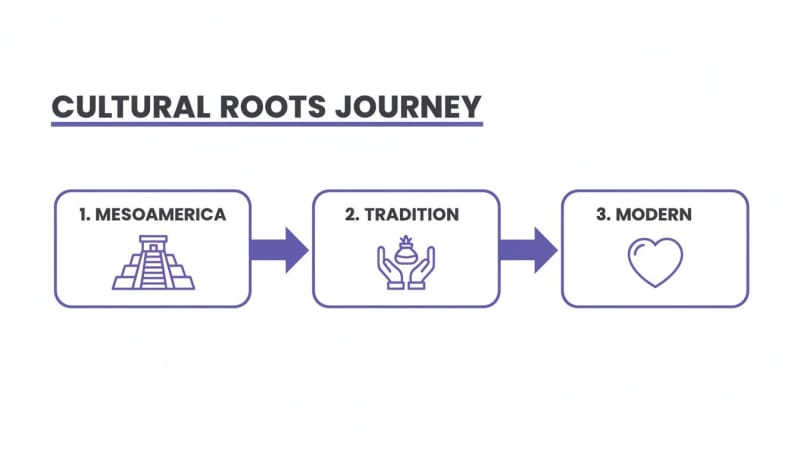
It’s a powerful visualization of a continuous thread of care, adapting through time while retaining its core purpose: honoring the postpartum body. It’s important to know this isn't a tight or restrictive binding. The pressure is firm but gentle, creating a secure feeling, almost like being in a cocoon.
To give you a clearer picture, here’s a quick breakdown of what to expect at each stage.
Closing The Bones Ceremony At A Glance
| Stage | What Happens | What It Feels Like |
|---|---|---|
| Connection & Intention Setting | You’ll talk with your practitioner, sharing your birth story or current feelings in a calm, safe space. | Heard, seen, and understood. A chance to mentally prepare for healing. |
| Body Preparation | A gentle massage with warm oils or an herbal bath to soothe muscles and calm the nervous system. | Deeply relaxing and nurturing. A loving acknowledgment of your body's journey. |
| The Wrapping | Lying down, you are gently wrapped from head to toe with rebozos or other cloths, focusing on key areas like the pelvis. | Secure, held, and grounded. Like a firm, full-body hug that brings everything back to center. |
| Rest & Integration | You are left to rest quietly while fully wrapped, allowing your body and spirit to process the experience. | A profound sense of peace and stillness. A quiet moment for emotional release or simple rest. |
| The Unwrapping | The practitioner slowly and intentionally unwraps the cloths, completing the ceremony. | A gentle reawakening. A feeling of being whole, integrated, and energetically sealed. |
This table shows how each part of the ceremony builds upon the last, creating a holistic experience of being cared for and put back together.
Once you are fully wrapped, you’ll be left to rest in quiet stillness. This is your time. You can integrate the experience, process emotions that may come up, or simply be. After a period of rest, the practitioner will slowly and just as intentionally unwrap you, completing the powerful ritual.
The Physical And Emotional Benefits
The buzz around the Closing the Bones ceremony really comes down to its incredible two-part impact. It provides powerful physical support while simultaneously creating a safe space for emotional processing, treating the new parent as a whole person. This ancient practice is finding its place as a modern path to a more supported and recognized postpartum recovery.
On a physical level, the ceremony is deeply grounding. After months of the body opening and expanding, the gentle, firm pressure of the wrapping helps everything feel centered again. It’s like a structural reset for the body after the marathon of birth.
This process offers a few key physical advantages:
- Pelvic Realignment: The wrapping offers steady support to the hips and pelvis, helping them gently shift back toward their pre-pregnancy alignment after widening for birth.
- Abdominal Support: It provides a comforting, secure feeling for abdominal muscles that have been stretched, encouraging them to regain their tone.
- Organ Placement: The gentle pressure helps guide internal organs back to their original positions, supporting the body’s natural healing.
Nurturing The Emotional Self
Beyond the structural support, the emotional benefits are just as profound. The ceremony carves out a rare, sacred moment for the new parent to simply be held. It’s a dedicated time to process the birth experience, release any pent-up emotions, and honor the monumental transition into a new chapter of life.
The postpartum period can be an incredibly complex emotional landscape. Some parents find it helpful to explore complementary ideas, like learning how crystals can help heal the heart and reclaim joy. A closing ceremony acts as a beautiful punctuation mark, honoring the immense work the body and spirit have just accomplished.
This focus on emotional wellbeing is particularly vital today. With postpartum depression affecting 1 in 8 mothers in the United States, practices that nurture mental health are essential. Ceremonies like Closing the Bones have been linked to 40% lower reported anxiety levels in some participants. And based on reviews from the Bornbir platform, a striking 85% of users praised the emotional closure the ceremony provides, cementing its value in modern postpartum wellness.
It is a moment of profound self-care that acknowledges the journey of pregnancy and birth, allowing the parent to feel seen, honored, and lovingly put back together.
This ritual is just one piece of a much larger puzzle. Building a strong network of care is crucial for a smoother transition into parenthood. Exploring all available postpartum support services can help you create a system that truly meets your unique needs. Ultimately, the Closing the Bones ceremony is a powerful reminder that the parent’s healing is just as important as caring for the new baby.
How To Find The Right Practitioner
Finding the right person to guide you through a Closing the Bones ceremony is a deeply personal decision. This ritual is intimate and powerful, so it’s essential to connect with a practitioner who makes you feel safe, heard, and completely at ease. Your comfort and trust are really the most important parts of this experience.
The search for a qualified provider can feel like a huge task, but modern platforms are making it so much easier. Services like Bornbir, for example, connect new parents to a network of over 6,000 vetted doulas and postpartum specialists. This is a great way for families to find local or even virtual sessions for services like Closing the Bones, which can start at around $150. You can easily compare different providers and read real parent testimonials to help you make a confident decision. If you're curious to learn more about how these ceremonies are becoming more accessible, check out the resources from practitioners like Theoni Papoutsis.
Vetting A Potential Provider
Once you have a few names, the next step is to just have a conversation. An initial chat, whether on the phone or video call, is the perfect way to get a feel for their approach, experience, and overall energy. Think of it as an opportunity to see if your values and expectations line up with their practice.
This conversation isn’t just about the logistics. It’s about sensing that connection and making sure they truly understand the personal significance this ceremony holds for you. The right practitioner will listen more than they talk, creating a space where you feel comfortable sharing your story.
The goal is to find someone who not only has the technical skills but also holds a deep respect for the tradition and for your personal journey into parenthood. They should be a calming, supportive presence.
Asking the right questions is key to making a choice you feel good about. It helps you understand their background and how they approach their work. It’s a lot like a friendly interview to ensure they’re the perfect fit for your postpartum healing. This process is very similar to finding other key members of your birth team, and you can find more guidance in our article on how to choose a doula.
Key Questions To Ask Your Practitioner
Before you commit, it’s a good idea to have a list of questions ready. This just helps ensure all your bases are covered and you feel completely at ease with your choice.
Here are a few important things to ask:
- Training and Lineage: "Where did you learn to perform the Closing the Bones ceremony? Can you share a bit about the tradition you were taught?"
- Experience: "How long have you been offering this service, and how many ceremonies have you facilitated?"
- Creating a Safe Space: "What steps do you take to make parents feel comfortable and safe, both physically and emotionally?"
- Personalization: "How do you tailor the ceremony to fit an individual’s needs, birth experience, or cultural background?"
- Logistics: "What does a typical session with you include, how long does it last, and what are your fees?"
Common Questions About The Ceremony
As the Closing the Bones ceremony gains more attention, it's totally normal for parents to have questions. This is a deeply personal, beautiful ritual, and getting a handle on the practical details can help you figure out if it’s the right move for your own postpartum journey. Let’s clear up some of the most common queries.
One of the first things people ask is about timing. While the ceremony is traditionally done in the early postpartum weeks, often around 40 days after birth, there’s really no wrong time to experience it. Many people find incredible healing from the ritual months, or even years, after giving birth.
It can also be a powerful way to mark other big life transitions, honor the end of a breastfeeding journey, or process a pregnancy loss. The most important thing is to schedule it when you feel emotionally and physically ready to receive its full benefits.
Is The Ceremony Suitable After A C-Section
Yes, absolutely. Parents who have had a C-section can get so much out of a Closing the Bones ceremony. The ritual is a wonderful chance to honor your birth experience, reconnect with your body, and process all the emotions that can come with a surgical birth.
However, the timing and techniques are adjusted to keep you safe and comfortable. A practitioner will wait until your incision has completely healed, which is usually around the 6-8 week mark and only after you’ve gotten clearance from your doctor. The abdominal massage will either be much gentler or skipped altogether, and the wrapping will be done carefully to avoid putting any direct pressure on your scar. For more tips on gentle recovery, check out our complete guide on taking baths after a C-section.
How Long Does A Session Typically Last
The length of a Closing the Bones ceremony can vary a bit, but most sessions last somewhere between 90 minutes and 3 hours. This gives you enough time for each part of the ritual without feeling rushed.
The total time usually depends on what the practitioner includes. A session might feature:
- Intention Setting: A quiet moment to share your birth story and set an intention for your healing.
- Herbal Bath or Massage: A period of deep relaxation to prepare your body.
- The Wrapping: The core part of the ceremony, which is done slowly and with great care.
- Rest and Integration: Time to simply lie cocooned and process the entire experience.
The main goal is to create a peaceful, unhurried atmosphere where you feel completely present and supported from beginning to end.
Can My Partner Be Involved In The Ceremony
Bringing your partner into the ceremony can be a beautiful and deeply meaningful part of the experience. Many practitioners are happy to include partners in a way that feels right for everyone. They can offer support just by being there, helping with the wrapping, or simply holding space for you.
Having a partner participate can deepen your shared transition into parenthood, creating a powerful moment of connection and mutual support. Just make sure you discuss this with your practitioner beforehand so they can tailor the ceremony to include them.
This ancient ritual has seen a huge surge in popularity across North America recently. Studies show that 75% of urban millennial parents in major cities like New York and Toronto are actively seeking out traditions like this to build community and support their postpartum journey. You can find more insights on this trend and this ancient tradition on Theoni Papoutsis's site.
A Closing the Bones ceremony is highly adaptable. The most important thing is that it feels safe, supportive, and perfectly suited to your unique needs and healing journey.
Ultimately, this ceremony is a powerful act of self-care that honors the incredible journey your body has been on. It creates a quiet, intentional space to feel grounded, held, and whole again.
Finding the right practitioner to guide you through this intimate experience is crucial. On the Bornbir marketplace, you can connect with vetted postpartum professionals, compare their services, and read reviews from other parents to find the perfect match for your needs. Find a provider.