
If you’re pursuing a career as a doula, one of the most common questions you’ll run into is whether hospitals actually hire doulas as part of their staff. With doula care becoming more visible across the United States—and with more states beginning to reimburse doula services through Medicaid—hospital-based doula programs are slowly becoming more common. Still, the majority of doulas today work independently rather than as hospital employees.
This guide breaks down how hospitals work with doulas, what the research says, which states are leading the trend, and what this means for your career.
Do Hospitals Employ Doulas?
The short answer is yes: some hospitals do hire doulas, but this is not yet a universal practice. Hospital-based doula programs tend to appear in large urban hospitals, public hospital systems, teaching hospitals, and facilities serving high Medicaid populations. These organizations often create doula programs to better support birthing people who may not have consistent support during labor or who face social, emotional, or economic challenges.
A number of well-known institutions have implemented doula programs over the years, including Bellevue Hospital in New York City, San Francisco General Hospital, and the University of Minnesota Medical Center. In these settings, doulas may be hired as full-time employees, part-time staff, or contracted per-birth support workers.

Why More Hospitals Are Adding Doula Programs
The growth of hospital-based doula positions is not random. A strong body of U.S. research consistently shows the benefits of continuous labor support. Studies demonstrate that doula-supported births are associated with significantly lower cesarean rates, shorter labors, higher rates of spontaneous vaginal birth, and reduced use of epidurals and Pitocin. Babies tend to have higher APGAR scores, and families report far greater satisfaction with their birth experiences.
These outcomes don’t just improve patient well-being—they also reduce hospital costs. Multiple Medicaid-managed care organizations have documented savings of $800 to $1,360 per birth when doula care is incorporated, largely due to fewer medical interventions. As more states approve Medicaid reimbursement for doulas, hospitals are beginning to integrate doula services internally so they can offer these benefits more consistently.
Most Doulas Still Work Independently
Even with the rise of hospital-based programs, most doulas continue to work as independent professionals. This arrangement allows families to choose their doula, build trust through prenatal visits, and receive emotional and educational support long before labor begins. Independent doulas also support clients after birth, something hospital-based programs may not offer.
This model gives doulas the freedom to set their own rates, choose their schedules, and provide additional services such as childbirth education, postpartum care, newborn care, or perinatal mental health support. Many doulas prefer this path because it offers flexibility and higher earning potential compared to hospital employment.
Do Hospitals Require a Certain Type of Certification?
Hospitals generally expect doulas to hold a recognized doula certification, have clear training in communication and trauma-informed care, and understand their professional scope of practice. Some programs require a background check or CPR certification, while others ask for liability insurance. Requirements vary by state and hospital system, but the expectation is the same: doulas must be trained, competent, and able to work alongside medical teams.
Evidence-based programs such as DNT Network’s Birth Doula Certification, Postpartum Doula Certification, Childbirth Educator Certification, and Perinatal Mental Health Specialist Certification are widely accepted by hospitals, clinics, wellness programs, and insurance partners including Carrot Fertility.
Where Are Hospital Doula Programs Growing the Fastest?
States offering Medicaid reimbursement for doula care tend to develop hospital programs at a faster pace. These include Oregon, Minnesota, California, Florida, New Jersey, Virginia, Rhode Island, Illinois, Michigan, and New York. Hospitals in these areas are increasingly hiring or contracting doulas to expand support for Medicaid patients or to participate in maternal health pilot programs.
How Much Do Hospital Doulas Earn?
Pay for hospital doulas varies widely. Some hospitals offer volunteer or stipend-based roles, while others pay hourly wages ranging from roughly $18 to $28 per hour. Certain grant-funded positions pay doulas per birth—often between $150 and $500. A few full-time positions exist, typically in the range of $35,000 to $55,000 per year.
Independent doulas typically earn more per birth, often between $700 and $2,500, depending on their location and experience. Because of this, many doulas choose to work independently while also contracting with a hospital program for additional experience or community service.
Why Some Doulas Choose Hospital Work
Working in a hospital doula program can be especially valuable for new doulas who are building confidence. Hospital programs offer hands-on birth experience, exposure to a variety of labor scenarios, and opportunities to collaborate with nurses, midwives, and obstetricians. These experiences strengthen communication skills and deepen a doula’s understanding of how medical teams operate during labor and delivery.
Hospital roles can also be incredibly fulfilling for doulas who feel called to serve vulnerable or underserved populations, including clients who may not otherwise have access to continuous labor support.
How to Get Hired by a Hospital Doula Program
If you’re hoping to work in a hospital setting, the first step is completing a reputable doula certification program. After that, gaining practical experience—whether through volunteer work, shadowing, or attending community births—can set you apart. Hospitals typically look for doulas who are reliable, professional, and skilled at communicating in high-stress situations.
Building relationships with labor and delivery nurses, midwives, and childbirth educators can also open doors. Many programs grow through community partnerships or referrals, especially in areas where Medicaid funding is available.
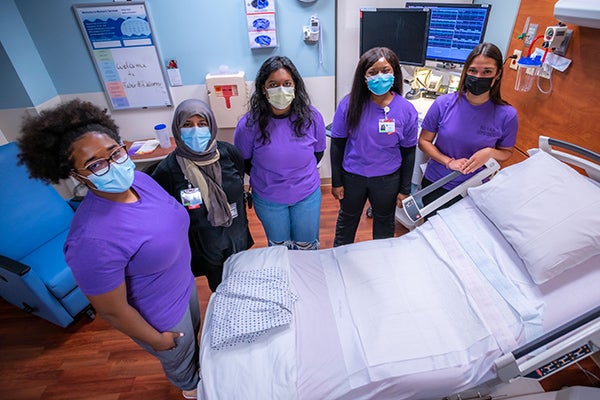
So, Do Hospitals Hire Doulas?
Yes. More hospitals across the United States are hiring doulas, especially in states with Medicaid reimbursement programs and maternal health initiatives. However, most doulas still work independently, building client relationships outside the hospital and attending births as a chosen support person. Both paths offer meaningful opportunities, and the best choice depends on the type of work environment and flexibility you’re looking for.
For anyone considering training, high-quality programs such as the DNT Network offer flexible, affordable, evidence-based certifications recognized by hospitals, birth centers, and insurance partners nationwide. With lifetime access and no renewal fees, it’s one of the most accessible ways to begin (or expand) your doula career.
Disclaimer
This article is a guest post submitted by an independent contributor. The views and opinions expressed are solely those of the author. DNT Network is not endorsed by BornBir, and BornBir is not affiliated with or officially connected to DNT Network or any of its programs or certifications. Any references to third-party organizations are provided for informational purposes only.