
Let's pull back the curtain on cloth diapers. At their core, they're built around a simple two-part idea: an absorbent inner layer to soak up messes and a waterproof outer layer to keep everything contained.
Think of it like a high-tech sponge wrapped in a soft, breathable raincoat. It’s that straightforward.
How Cloth Diapers Actually Work
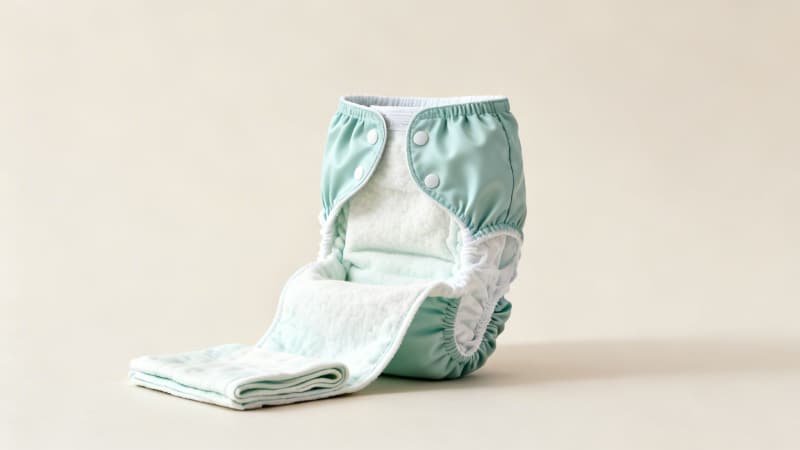
If you're picturing the old-school squares of fabric and safety pins, it's time for an update. Today's cloth diapers are a world away from what our grandparents used. They’re designed with modern parents in mind, focusing on both top-notch function and real-world convenience.
The whole point is to be just as reliable as disposables, but with the massive benefit of being reusable. The engineering is surprisingly elegant, focusing on two key jobs: absorption and containment.
Most modern diapers achieve this with a few clever layers. There's a soft inner layer that sits against your baby's skin, designed to wick moisture away quickly. Next comes a super-absorbent core to lock that liquid in. Finally, a waterproof outer shell, often made from a material called polyurethane laminate (PUL), stops any leaks in their tracks. You can find more details on the cloth diaper market and materials at Fortune Business Insights.
The Core Components
To really get how cloth diapers work, you just need to know the basic building blocks. Each piece has a specific job in keeping your baby dry and happy. Once you understand these parts, the whole system clicks into place. It’s a lot less complicated than it seems. It's also great info to have if you're working with a newborn care specialist to plan your diapering strategy.
So, let's break down the essential parts and what they do.
Modern cloth diapering isn't about complexity; it's about smart design. The goal is simple: keep the baby dry, contain the mess, and make it easy enough for any parent to manage.
To make it even clearer, here’s a quick rundown of the parts that make up a typical cloth diapering system.
The Core Components of a Cloth Diaper
| Component | What It Does | Common Materials |
|---|---|---|
| Absorbent Layer (Insert/Core) | Soaks up and holds all the liquid, keeping moisture away from the baby's skin. | Cotton, Hemp, Bamboo, Microfiber |
| Waterproof Layer (Cover/Shell) | Prevents leaks by containing moisture within the diaper. | PUL, TPU, Wool |
| Liner (Optional) | A thin layer that sits on top to make solid waste cleanup easier. | Fleece, Disposable Paper |
| Closures | Secures the diaper for a snug fit. | Snaps, Hook-and-Loop (Velcro-like) |
Every cloth diaper, no matter the style, will have some version of these components working together. Once you know what you’re looking at, it all starts to make perfect sense.
Understanding the Anatomy of a Modern Cloth Diaper
To really get how cloth diapers work, let's break one down into its core parts. It’s a bit like looking under the hood of a car. Once you know what each piece does, the whole system just clicks. Modern cloth diapers are all about a smart, layered design that works together to keep your baby dry and comfortable.
The first thing you’ll notice is the waterproof outer cover. This is your leak-proof barrier, the part that keeps messes contained so they don’t end up on clothes, car seats, or your lap. It’s usually made from a material called Polyurethane Laminate, or PUL for short.
Think of PUL as a special fabric that’s been fused with a super-thin, waterproof layer. It's tough enough to stop leaks dead in their tracks but still lets air circulate. This breathability is a game-changer because it helps prevent the hot, stuffy environment that can lead to diaper rash. The cover is your final line of defense, making sure whatever the inner layers absorb stays put.
The All-Important Absorbent Core
Tucked inside that waterproof cover is the absorbent core, which is the real workhorse of the diaper. This part is all about soaking up liquid fast and holding onto it. Different materials offer different levels of performance, kind of like how sponges can vary in what they can hold.
These cores are often called inserts or soakers, and you'll find a few common materials used:
- Microfiber: This synthetic material is a speed demon. It absorbs liquid incredibly fast. It’s great for catching quick pees, but it has a downside: it can sometimes leak when compressed, like when your baby is strapped into a car seat.
- Cotton: A classic for a reason. Cotton is a natural fiber that absorbs well, is super durable, and just gets softer and more absorbent with every wash.
- Bamboo: Known for being ridiculously soft and even more absorbent than cotton. It’s a popular choice because it feels so gentle against a baby's skin.
- Hemp: This is the super-absorber of the cloth diaper world. Hemp can hold a massive amount of liquid, which makes it perfect for heavy wetters or for getting through the night without leaks. The trade-off is that it absorbs more slowly than other materials.
You’ll often see inserts that blend materials, like a hemp and cotton mix, to give you the best of both worlds: fast absorption and high capacity.
Liners and Closures
Two other key parts complete the diaper's anatomy. First are liners. These are thin, optional sheets you can lay right on top of the absorbent core. They don’t really absorb anything; their main job is to catch solid waste. This makes cleanup so much easier. You can often just lift the liner out and get rid of the mess.
Think of a liner as a removable, easy-clean layer for your diaper. It simplifies cleanup without changing how the diaper absorbs liquid, making your laundry routine a bit easier.
Finally, you have the closures. These are what hold the diaper securely on your baby. There are two main types you’ll run into:
- Snaps: These durable plastic snaps click into place for a really secure fit. They’re also much harder for curious toddlers to undo, which is a bigger plus than you might think!
- Hook-and-Loop: This is basically Velcro. It offers a super adjustable fit, which makes getting the sizing just right a breeze, especially on tiny newborns.
Each part, from the waterproof shell to the absorbent insert and the secure closures, works together as a system. Understanding these components helps you see exactly how a modern cloth diaper is designed to keep your baby clean, dry, and happy.
Choosing Your Cloth Diapering System
Picking a cloth diapering system is less about finding the “best” one and more about finding the best one for you. Your budget, your daily routine, and even how much laundry you're willing to do all play a huge role. The good news? There are options to fit nearly every family, from the super simple to the highly customizable.
Think of it like choosing a coffee maker. Some people just want a quick, all-in-one pod machine for those chaotic mornings. Others prefer a French press for a more hands-on, perfect brew. Both make coffee, but the process and results suit different lifestyles. It's the exact same idea with cloth diapers.
All-in-Ones (AIOs): The Convenience Kings
If you’re looking for the cloth diaper that works most like a disposable, the All-in-One (AIO) is your answer. The name really says it all: the absorbent layers are sewn directly into the waterproof outer cover. There are no separate pieces to stuff or snap together.
This single-piece design makes AIOs incredibly straightforward. You just put it on the baby, and when it’s dirty, the whole thing gets tossed into the laundry pail. Their sheer simplicity makes them a top choice for daycares, babysitters, or anyone who might feel a bit intimidated by more complex systems.
- Best For: Families who want maximum convenience, daycare settings, and super-quick changes.
- Pros: As easy to put on as a disposable, with zero stuffing or assembly required.
- Cons: Can be more expensive upfront and often take longer to dry since all the layers are attached.
Pocket Diapers: Adjustable and Quick-Drying
Pocket diapers are an incredibly popular and versatile choice. They have a waterproof outer shell with a soft inner lining (usually fleece) that creates a “pocket” opening at the back. You then stuff this pocket with an absorbent insert of your choice.
This setup gives you total control over absorbency. For a daytime diaper, you might just use one microfiber insert. For overnight, you could double up or add a super-absorbent hemp insert for 12+ hours of protection. Because the inserts come out for washing, both the shell and the insert dry much faster than an AIO.
A key thing to remember when choosing a diapering system is that there is no perfect choice, only the right choice for your family at a given time. Many parents end up using a mix of different systems. For example, AIOs for outings and pocket diapers for home use.
The infographic below highlights the two most common closure types you'll find on these diaper systems.
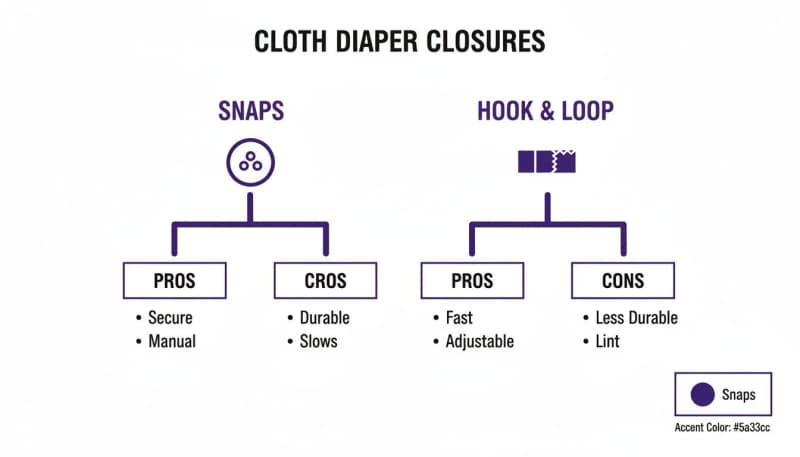
As you can see, your choice often comes down to balancing long-term durability with on-the-fly adjustability.
Fitteds and Covers: The Leak-Proof Powerhouse
For parents having nightmares about leaks, especially overnight, the fitteds with covers system is the holy grail. A fitted diaper is made entirely of absorbent material (like cotton, bamboo, or hemp) and is shaped like a diaper with elastics at the legs and waist. The whole thing absorbs, offering incredible, bomb-proof protection.
But, a fitted diaper isn't waterproof on its own. You absolutely have to pair it with a separate waterproof cover. While this is a two-step process, it creates a nearly foolproof barrier against even the heaviest wetters, making it the go-to solution for nighttime.
- Best For: Heavy wetters, nighttime diapering, and parents who want maximum leak protection.
- Pros: Extremely absorbent with excellent containment. Plus, the covers can often be reused for a few changes if they aren't soiled.
- Cons: It's a bulkier option and requires two separate pieces for every single diaper change.
Mastering Your Cloth Diaper Wash Routine
The thought of adding more laundry to your plate can feel a bit overwhelming at first, but trust me on this one: washing cloth diapers quickly becomes second nature. It's really not as complicated or gross as you might imagine. A solid routine is all you need to get your diapers perfectly clean, sanitized, and ready for action every single time.
Figuring out how the diapers themselves work is half the battle, but knowing how to wash them is what makes this whole system sustainable for the long haul. Let's walk through the entire process, from what to do with a dirty diaper to getting them fluffy and dry again.
The Two-Step Wash Cycle
The real secret to foolproof cloth diaper laundry is a two-part wash. This simple method is designed to get all the gunk out first before the deep cleaning begins.
- The Pre-Wash: This is just a short, cold water cycle. Its only job is to rinse away the initial mess. Think of it like rinsing your dinner plates before popping them in the dishwasher. It gets the loose stuff off so the main cycle can work its magic.
- The Main Wash: Once the pre-wash is done, you'll run a long, hot wash cycle (aim for around 140°F / 60°C) with a powerful detergent. This is where the heavy lifting happens, getting deep into the diaper's fibers to break down bacteria and truly sanitize everything.
Don't overcomplicate it. A simple pre-wash followed by a main hot wash is the foundation of almost every successful cloth diaper laundry system. Stick to this, and you'll avoid most common issues like smells and buildup.
Handling Solids and Choosing Detergents
Okay, but what do you do before the diapers even hit the washing machine? It depends. For exclusively breastfed babies, their poop is completely water-soluble, so you can toss the diaper straight into your pail or wet bag. No rinsing required!
Once your baby starts eating solid foods, things change a little. You'll need to plop, spray, or scrape the poop into the toilet before storing the diaper for laundry day.
Picking the right detergent is also a game-changer. You need something strong enough to tackle serious messes but free of certain additives that can cause problems for your diapers.
- Avoid Fabric Softeners: These are the enemy of absorbency. They work by coating fabric fibers, which is the last thing you want for a diaper.
- Steer Clear of Most "Baby" Detergents: It sounds counterintuitive, but many popular brands (like Dreft) contain softeners that can lead to residue buildup and, eventually, leaks.
- Pick a Strong, Clean-Rinsing Formula: Many cloth diaper veterans swear by powdered detergents because they are incredibly effective at breaking down grime and dealing with minerals in the water.
While cloth diapers have their own unique needs, a good understanding of baby garment care can make your life a lot easier. For a broader look at keeping all your little one's clothes in top shape, check out this guide on the Dos and Don'ts of Washing Baby Clothes. And hey, with a newborn in the house, you might even consider hiring a night nurse to help with those overnight changes and laundry loads, giving you some much-needed rest.
How to Get the Perfect Fit and Prevent Leaks
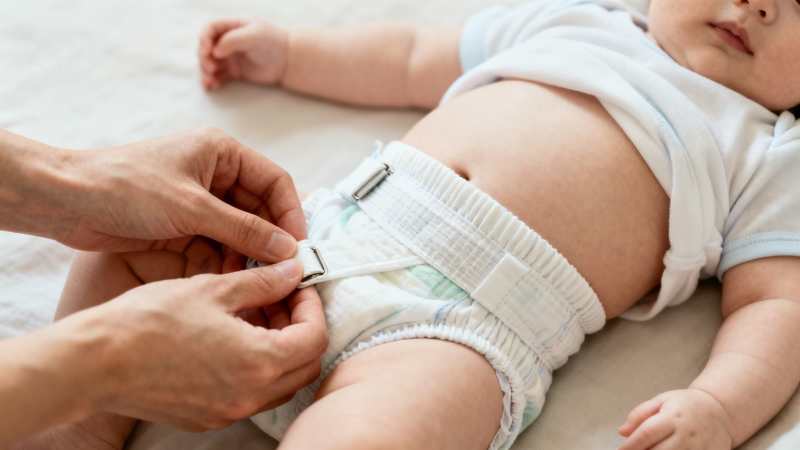
Even the most absorbent diaper on the planet will leak if it doesn’t fit right. Honestly, mastering the fit is the secret sauce that takes your cloth diapering journey from pretty good to absolutely seamless. A great fit keeps your baby comfortable and dry, which means no more surprise messes on their cute outfits or your couch.
The goal is a snug seal around your baby’s waist and thighs, but not uncomfortably tight. Think of it like a perfectly fitted swimsuit: secure enough to contain everything, but comfy enough for them to kick, wiggle, and crawl without restriction.
Checking for the Perfect Fit
So, how do you know you’ve nailed it? It really comes down to a few quick checks after you've got the diaper on.
- No Gaps at the Legs: Gently run a finger around the leg elastics. You shouldn't feel any gaps or puckers where pee could sneak out. The elastic should be tucked right into the bikini line, not down on the thigh.
- The Two-Finger Rule: You should be able to slide two fingers comfortably between the diaper and your baby’s tummy. This is the classic test to make sure it’s not too tight and they can breathe easily.
- A High-and-Tight Fit: Make sure you pull the diaper up nice and high in the back before fastening the front. This helps everything sit where it's supposed to.
A super common mistake is leaving the diaper too loose because you're afraid of making your baby uncomfortable. Trust me, modern elastics are designed to be soft and gentle, and that snug fit is absolutely essential for preventing leaks.
Troubleshooting Common Leak Issues
If you’re still dealing with leaks even after checking the fit, don't panic. It's usually a simple fix. Most of the time, the culprit is either an absorbency issue or something called a compression leak.
Absorbency Leaks As your baby gets older, they start to pee a lot more. The single insert that worked perfectly for your two-month-old just isn't going to cut it for a six-month-old. If the diaper is completely soaked when a leak happens, the answer is simple: you need more absorbency. Try adding a booster, like a thin but thirsty hemp insert, to give the diaper more capacity.
Compression Leaks Sometimes the problem isn't the diaper. It's the clothes over the diaper. Snug-fitting clothing like a onesie can literally squeeze the liquid out of certain types of inserts, especially microfiber. If you notice leaks are happening most often when your baby is in their car seat or wearing tight pajamas, try going up a size in their clothes or grabbing a simple onesie extender. A proper fit is just as important as a good newborn sleep schedule for keeping everyone happy and dry.
The Real Benefits of Choosing Cloth Diapers
So, we've covered the nuts and bolts of how cloth diapers work. But the real question is why are so many modern parents making the switch? The reasons go way beyond just catching messes. They touch on your family's budget, your baby's skin, and your impact on the planet.
For most families, the journey into cloth starts with one big motivator. Sometimes it’s the eye-popping long-term savings. For others, it's about finding a more natural, gentle option for their baby’s sensitive bottom.
Healthier for Baby and Your Budget
One of the first things parents often notice is just how much gentler cloth feels. Because they’re made with breathable fabrics and offer a more customized fit, cloth diapers can sidestep a lot of the irritation common with disposables.
Unlike the gel-filled disposables that can trap a surprising amount of heat, natural fibers let air circulate freely. This keeps a baby’s skin 20-30% cooler and can slash the incidence of diaper rash by a whopping 75%.
A comfortable baby is a happy baby, and that’s a huge win when you’re trying to figure out how to soothe a crying newborn.
Then there’s the financial angle, which is pretty compelling. While you do have to invest some money upfront, a single set of cloth diapers can literally save a family thousands of dollars per child compared to the endless cycle of buying disposables.
A Sustainable Choice for the Planet
The environmental impact is another huge driver for families choosing cloth. Every year, billions of disposable diapers pile up in landfills, where they can sit for centuries before breaking down. Choosing a reusable system is a powerful way to shrink your household's waste.
For many parents, the positive environmental ripple effect is a major draw. If you're looking to lean further into a sustainable lifestyle, you might also be interested in other eco-friendly products.
By opting for cloth, you’re not just picking a diaper; you’re stepping into a cycle of use and reuse that lightens your family's footprint, one diaper change at a time. It’s a simple choice that adds up to a massive reduction in landfill waste over your child's diapering years.
Common Questions About Cloth Diapering
As you get the hang of how cloth diapers work, a few practical questions almost always come up. Let’s walk through some of the most common ones so you can feel completely ready to get started.
One of the biggest questions is about diaper cream. Can you use it? Yes, but you have to be a little picky. Many standard diaper creams, especially those with petroleum or high levels of zinc oxide, can build up on your inserts and create a waterproof barrier. This is the last thing you want. Stick to cloth-safe balms designed to wash out cleanly without causing any repelling issues.
How Many Diapers and Other Logistics
So, how many diapers do you actually need to have on hand? For a newborn, a good starting point is 24 to 36 diapers. This stash size lets you wash every two or three days without the stress of running out. As your baby gets older, you can usually get by with a slightly smaller collection of around 20 to 24.
And what about leaving the house? It's much simpler than you might think. Just pack a waterproof "wet bag" to store any dirty diapers until you get home. Many daycares are also happy to accommodate cloth, but it’s always a good idea to chat with them beforehand. You'll want to provide a simple system for them, like All-in-Ones and a clearly labeled wet bag.
A common myth is that cloth diapers aren't truly eco-friendly because of the water and energy used for washing. However, studies consistently show that the lifetime environmental impact of reusable diapers is significantly lower than the manufacturing and landfill waste from disposables.
Learning the ropes of cloth diapering is a lot like mastering any new baby care skill, such as learning how to care for the umbilical cord stump. A little preparation and the right information make all the difference. With these final questions answered, you have the knowledge to begin your cloth diapering journey with confidence.
Finding the right support for your parenting journey makes everything easier. Bornbir connects you with thousands of vetted doulas, lactation consultants, and night nurses to help you navigate pregnancy, birth, and postpartum. Find trusted care at https://www.bornbir.com.