
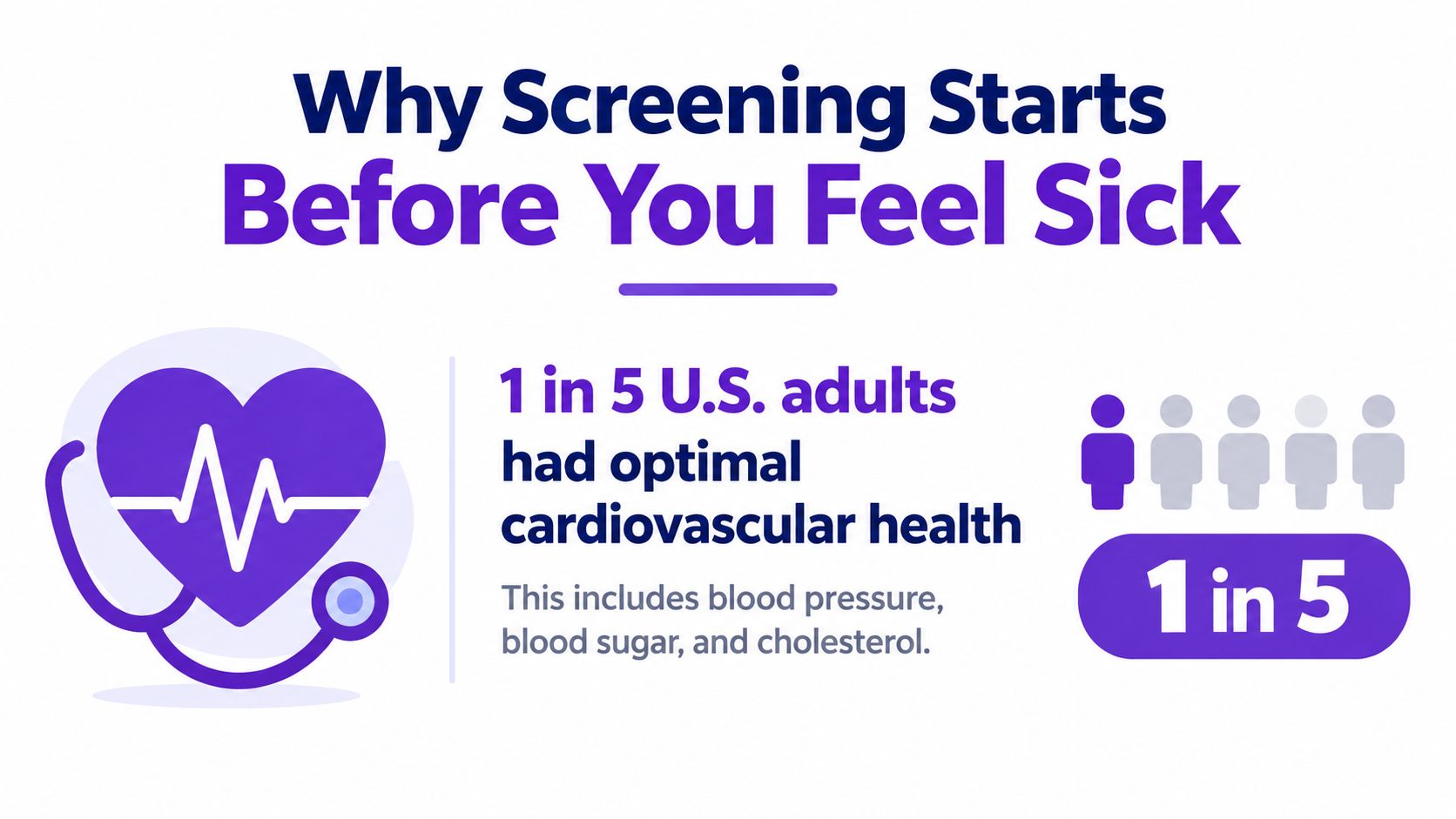
In 2024, only 1 in 5 U.S. adults had optimal cardiovascular health, based on factors including blood pressure, blood sugar, and cholesterol, according to the American Heart Association. That figure reframes heart health screening: it's not just a response to symptoms. It's a way to notice risk early, when you feel well and still have time to discuss what to do next.
Think of screening like checking a smoke alarm. A reading that needs attention is a signal to check further, not proof that a fire has started. For an expecting or new parent, that can mean adding a blood pressure check or a pregnancy complication to an ordinary health conversation. This guide covers common tests, when to repeat them, what results can show, and how pregnancy history can shape follow-up. It offers general information, not a personal medical plan.
A blood pressure reading is one piece of the picture. Clinicians may also consider blood sugar, cholesterol, smoking, family history, activity, diet, stress, alcohol use, and other factors that affect cardiovascular risk. A high result should prompt a conversation and, when appropriate, confirmation or further testing. It isn't by itself a diagnosis of heart disease.
The scale of the issue is global. The World Health Organization estimated that 17.9 million people died from cardiovascular disease in 2019, accounting for 32% of deaths worldwide; about 85% of those deaths resulted from heart attack or stroke, according to its cardiovascular diseases fact sheet). Many risk factors can be present before a person feels unwell, and poverty and air pollution can shape risk alongside personal health habits and family history. Expecting parents can also find pregnancy wellness advice for expecting parents useful when preparing questions for their care team.
Common Checks and How Often to Repeat Them
Routine heart checks work like a calendar with adjustable reminders. The table gives common starting points; age, past results, and risk factors can change how often a check is useful. Use it to prepare for a conversation, not to decide on your own to skip care.
| Check | Who and how often | Cutoff or next step |
|---|---|---|
| Blood pressure, lower risk ages 18 to 39 | Every 3 to 5 years if a past reading was normal and risk isn't increased | Confirm a high office reading outside the clinic before treatment |
| Blood pressure, age 40 or higher risk | About once a year, including high-normal pressure, overweight, or obesity | Normal is below 120/80 mm Hg. Keep yearly checks even when readings stay below that |
| Lipid panel | Adults 20 and older, often every 4 to 6 years if risk is usual, sooner if risk is higher | Fasting or nonfasting if not on lipid medicine. Reports total cholesterol, HDL, LDL, and triglycerides |
| Very high LDL or familial hypercholesterolemia | Separate clinical plan, not the usual statin screening path for ages 40 to 75 | LDL above 190 mg/dL (4.92 mmol/L), or known familial hypercholesterolemia |
| Glucose or A1C | Adults ages 35 to 70 with overweight or obesity should be screened; otherwise, screening may begin at age 45 or be offered earlier based on risk factors, with intervals individualized | An A1C of 6.5% or higher meets the diabetes diagnostic threshold, but an asymptomatic diagnosis generally requires confirmation with a second abnormal test. A1C doesn't require fasting |
Blood pressure screening has a specific age-based schedule. The U.S. Preventive Services Task Force recommendation advises yearly screening for adults aged 40 or older and adults at higher risk. Adults aged 18 to 39 with a previous normal result and no increased risk can usually be checked every 3 to 5 years. If an office reading is high, home measurements or ambulatory monitoring can help confirm it before treatment decisions. One reading may not reflect a person's usual pressure, including when the clinic setting affects the result.
What changes the schedule
These intervals are common starting points, not fixed rules. High-normal blood pressure, overweight, or obesity may call for more frequent checks. A history of diabetes or another risk factor can also affect the schedule your clinician recommends.
For cholesterol, adults aged 20 or older who aren't taking lipid-lowering medicine can generally have a fasting or nonfasting lipid profile. Adults at usual risk commonly repeat the test every 4 to 6 years; people at higher risk may need it more often. The test reports several types of blood fats, so discuss the overall pattern rather than focusing on one number alone.
Glucose screening follows a different age and risk pattern. Adults ages 35 to 70 with overweight or obesity should be screened. Screening may begin at age 45 for others, or earlier based on risk factors, with repeat timing individualized. An A1C at or above 6.5% reaches the diabetes diagnostic threshold. For someone without symptoms, however, diagnosis generally requires a second abnormal test to confirm the result.
Very high LDL or known familial hypercholesterolemia calls for a separate clinical plan, rather than relying on the usual statin recommendation pathway for adults aged 40 to 75. Bring previous results and medication information to appointments. Comparing results over time can help your clinician decide whether the usual schedule still fits.
What to Expect at a Screening Visit
A routine screening visit often involves quiet measurements and a short discussion. Knowing the sequence can make it easier to ask for accurate readings and leave with clear next steps.
Sit and settle. Rest for a few minutes before the cuff goes on. Keep your feet on the floor, your back supported, and your arm at heart level so your position doesn't interfere with the reading.
Check the cuff size. The cuff should fit your arm. A cuff that's too small can give a falsely high result, so speak up if it feels unusually tight or looks too narrow.
Allow repeat measurements. The clinician may take more than one reading. One measurement isn't always a reliable picture of your usual blood pressure, particularly if the first result is higher than usual.
Ask about the lipid test. Many adults who aren't taking lipid medicine can have a nonfasting lipid profile. Ask whether your lab wants you to fast, since instructions can depend on the test and your circumstances.
Clarify whether A1C is planned. A1C doesn't require fasting. It estimates average blood glucose over roughly the previous two to three months, so it provides a broader view than a single moment's reading.
Expect questions about your health history. Smoking, activity, family heart disease, and pregnancy history can help clinicians interpret results. If a pregnancy complication applies to you, mention it even if it happened in the past.
Leave with the numbers. Ask for results in writing and confirm what happens next. If blood pressure is high, the next step may be home or ambulatory confirmation rather than a prescription that same day.
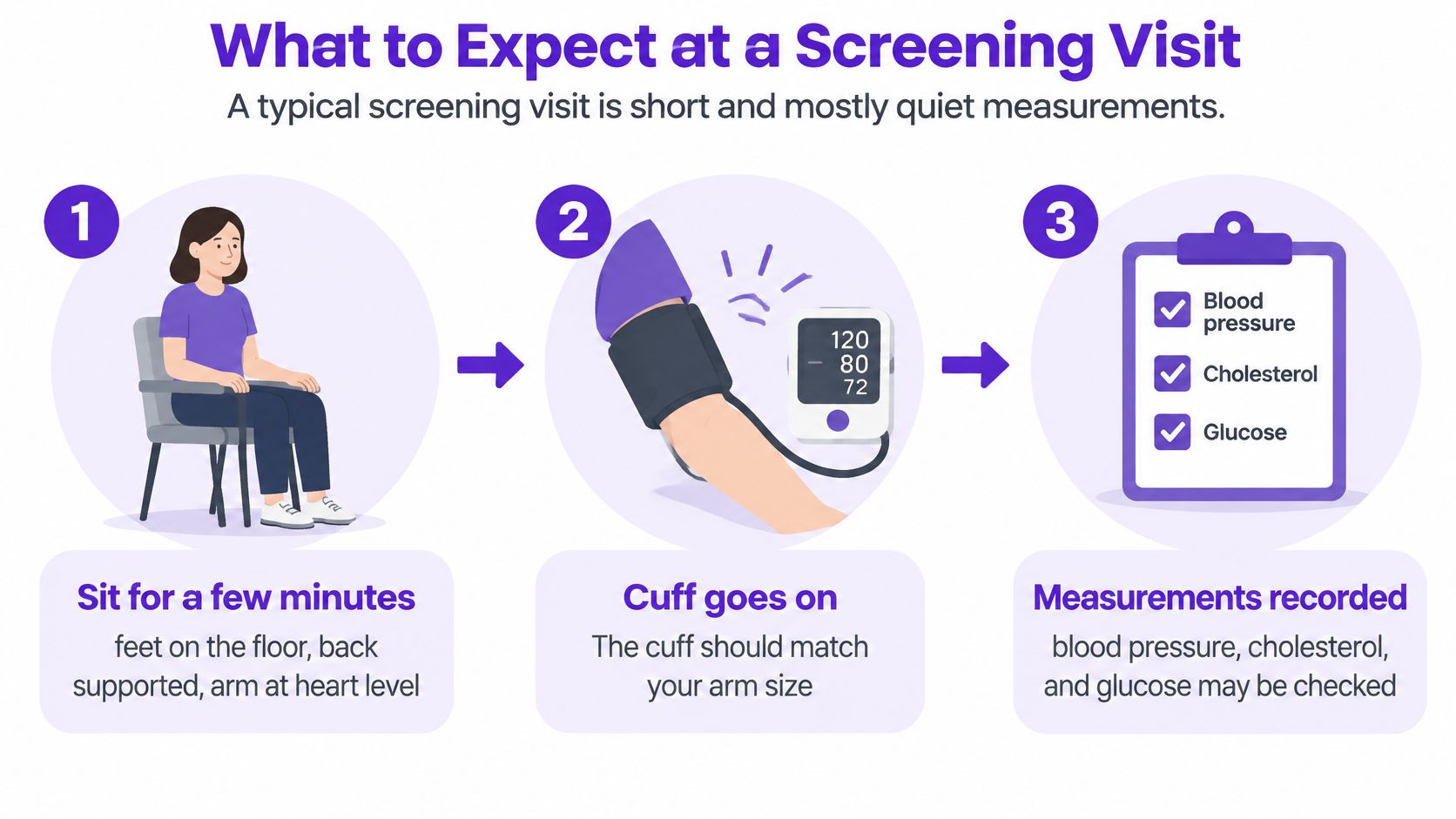
If you'll be checking blood pressure at home, ask which device to use, when to take readings, and how to record them. Note the device name and time of day so your clinician can compare measurements taken under similar conditions. For help getting ready for a pregnancy-care appointment, consult Bornbir's prenatal appointment guide.
Advanced Heart Testing Pathway at Longevity Medical Institute
Routine heart health screening usually begins with measurements and lab tests. Some people, however, want a more extensive assessment because of their medical history, persistent concerns, or a need to bring several evaluations together. Longevity Medical Institute (LMI) is a physician-led clinic in San José del Cabo offering preventive assessment and advanced diagnostics alongside a wider range of health services.
Its described capabilities include an in-house clinical laboratory, cardiac assessments, ultrasound-guided procedures, and AI-enhanced full-body MRI. LMI also offers regenerative medicine and other services, including stem cell and exosome therapies, IV infusions, hyperbaric oxygen therapy, physical medicine, and sports medicine. These are distinct services, not substitutes for routine blood pressure, lipid, or glucose screening.

When an expanded assessment may fit
A person looking for a coordinated, physician-led assessment may find LMI's approach relevant, particularly when they're considering advanced imaging or want several types of evaluation in one setting. The clinic describes an integrated team of specialist physicians, scientists, and clinicians, with a licensed biotechnology lab and patient support that includes concierge accommodations and private travel options.
That breadth doesn't mean everyone needs advanced testing. A routine screening result that needs confirmation should first be discussed with a qualified clinician, who can explain which tests are appropriate and why. Advanced imaging or other procedures shouldn't replace follow-up on a high blood pressure reading or abnormal lab result.
For readers comparing options, LMI's comprehensive preventive heart assessment can help clarify the clinic's described assessment pathway. Ask what each proposed test is intended to answer, how results will be interpreted, and who will coordinate care if something needs attention.
What Blood Pressure, Cholesterol and Glucose Show
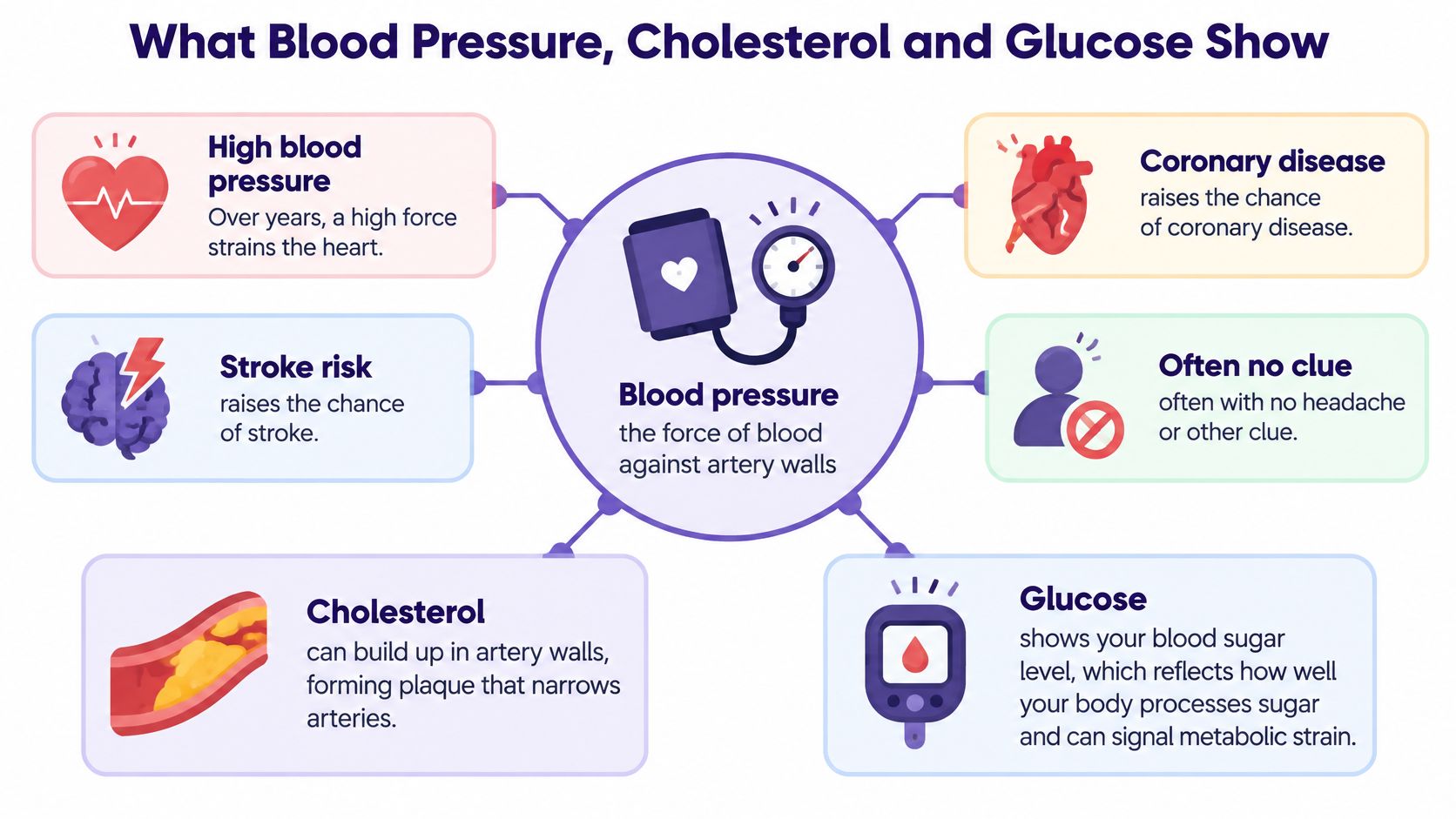
Blood pressure is the force of blood against artery walls. When that force stays high over time, it can strain the heart and raise the risk of stroke and coronary disease. High blood pressure often has no obvious warning sign, so feeling well doesn't tell you whether your reading is in a healthy range.
A lipid panel looks at several blood fats, not a single “good or bad” cholesterol number. HDL is often described as a cleanup crew because it helps carry cholesterol back toward the liver. LDL can contribute to deposits in artery walls, while triglycerides are another type of blood fat related to how the body processes food and energy.
Read the measures as a set
The American Heart Association's lipid-testing guidance, referenced in the U.S. Preventive Services Task Force statin recommendation, describes a lipid profile that measures total cholesterol, HDL, LDL, and triglycerides. For adults aged 20 or older who aren't taking lipid-lowering medicine, a fasting or nonfasting profile can help estimate cardiovascular risk. The result is considered alongside age, blood pressure, smoking, diabetes, and other factors, rather than treated as a stand-alone diagnosis.
That guidance also draws a line for adults aged 40 to 75: its usual statin recommendation doesn't apply to people with LDL above 190 mg/dL (4.92 mmol/L) or known familial hypercholesterolemia. Those cases call for separate clinical management.
Glucose adds another part of the picture. An A1C estimates average blood sugar over roughly two to three months and doesn't require fasting. An A1C of 6.5% or higher is used to define diabetes. Raised blood pressure, blood glucose, blood lipids, and overweight or obesity are measurable risk factors that can show up before cardiovascular disease is diagnosed. If pregnancy-related blood sugar is part of your history, ask about gestational diabetes screening and treatment options and how they fit into your current follow-up.
The Framingham Heart Study helped establish that risk is multifactorial, rather than determined by one result. Consider a person with a reassuring cholesterol result, but high blood pressure and raised glucose. The isolated cholesterol number doesn't cancel out the other findings. Ask which results are stable, which need confirmation, and how the combination affects your next steps.
Why One Normal Test Does Not Clear Your Risk
A one-time panel is a snapshot; pregnancy history can remain relevant long after the appointment where a result was recorded. Both point to the same practical lesson: clinicians need a broader view than one test or one visit to understand cardiovascular risk.
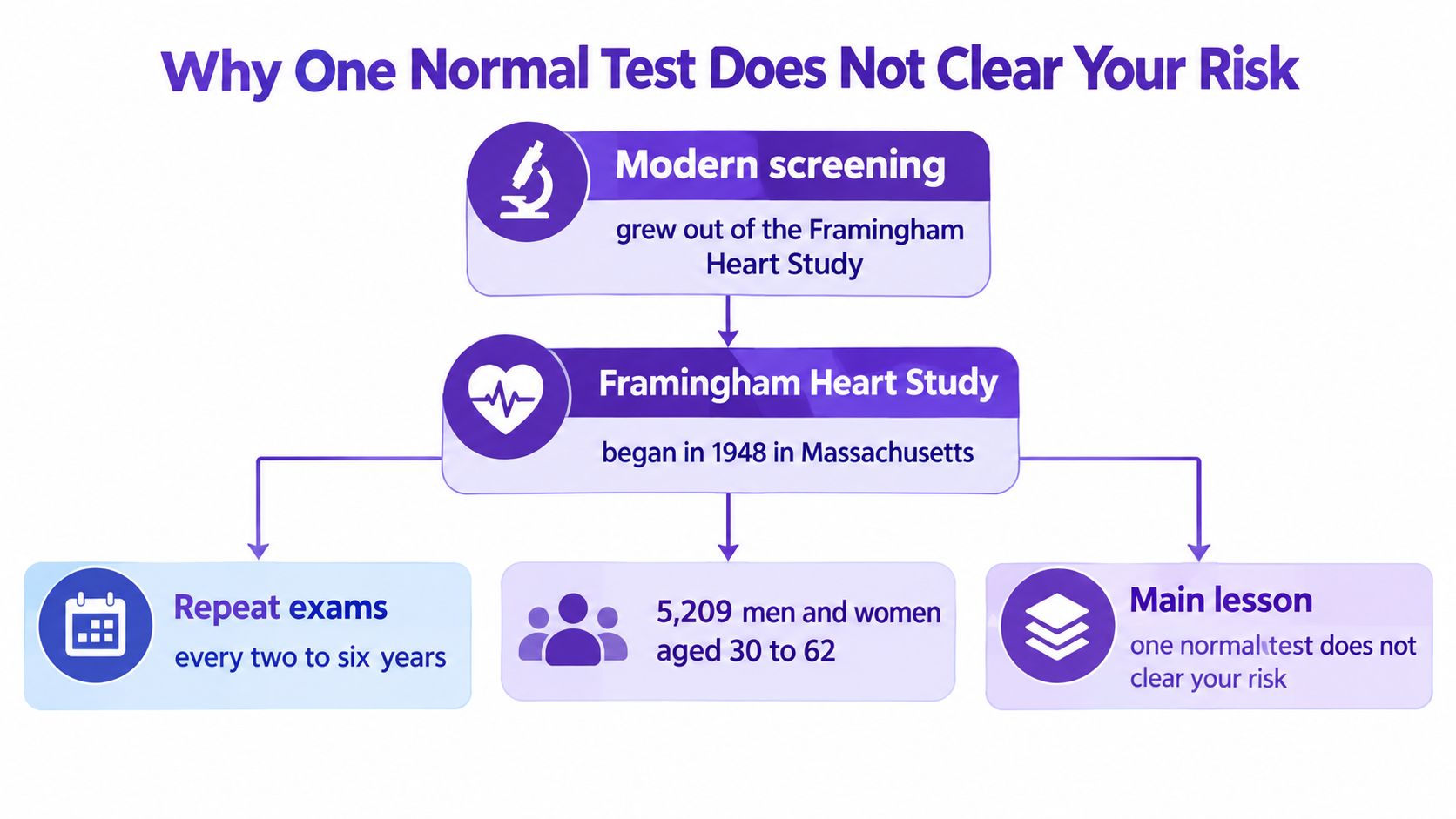
The National Heart, Lung, and Blood Institute's history of the Framingham Heart Study describes a study launched in 1948 to identify characteristics associated with heart disease. Researchers initially recruited 5,209 men and women aged 30 to 62 in Framingham, Massachusetts, and repeated examinations roughly every two to six years. Those examinations combined medical histories, physical exams, laboratory tests, and lifestyle information.
The study linked high blood pressure and high cholesterol to greater heart-disease risk, and later linked cigarette smoking to risk as well. Its lasting lesson is that several factors can combine. Current risk assessment brings together details such as age, blood pressure, cholesterol, smoking status, diabetes, and other health information.
Compare the whole picture over time
Say a person's cholesterol result looks comfortable, but they smoke daily and home blood pressure readings are repeatedly high. The cholesterol result doesn't erase the other factors. A clinician needs to consider how the pieces fit together and whether the blood pressure readings require confirmation or follow-up.
Results can also change. A measurement that was normal at one appointment won't show whether the next set of readings has shifted. Keep copies of past test results and share changes in smoking, medication, or family health history at future visits. Ask how each factor affects your overall risk and which result should be checked again.
A normal test can be reassuring about that particular measurement at that time. It isn't a lifetime all-clear. Continued screening gives you and your clinician a chance to recognize changes and decide whether the plan needs to change too.
Pregnancy History as a Lasting Risk Marker
A pregnancy complication can matter at a later heart health appointment, even if your blood pressure or cholesterol looks fine that day. Start by sorting your history into three groups: hypertensive disorders of pregnancy, gestational diabetes, and preterm birth. Make sure a clinician knows about any that apply, because they can serve as lasting risk markers.
The American College of Cardiology's postpartum cardiovascular care pathway recommends asking about these pregnancy histories during cardiovascular visits and treating them as permanent risk enhancers. It also sets out follow-up points after birth, rather than relying on a one-time cholesterol or blood pressure check.
| When | Who | What to do |
|---|---|---|
| 7 to 10 days after birth | People who already have cardiovascular risk | Early follow-up rather than waiting for the routine postpartum visit |
| 6 to 12 weeks postpartum | People seen for the postpartum visit, especially after a pregnancy complication | Broader screening and a review of blood pressure, glucose history, and symptoms |
| First year after birth | People leaving obstetric care | Move into ongoing prevention with a primary clinician |
| Any time symptoms appear | Persistent headache, shortness of breath, swelling, or chest discomfort | Urgent clinical evaluation, not a wait for the next routine slot |
Make the follow-up easy to coordinate
At a heart health visit, ask: Does my pregnancy history change my risk? Which results should be checked now? When should I be seen again? Who will coordinate care between obstetrics, primary care, and cardiology? Clear answers can help prevent a handoff from becoming a gap in care.
Book the postpartum medical visit and bring discharge papers, pregnancy records, and any home blood pressure log. Major U.S. preventive-care recommendations don't specifically address postpartum blood pressure monitoring or enhanced hypertension programs, despite the link between hypertensive pregnancy disorders and later cardiovascular disease. So it may help to raise the topic directly with your clinician.
Seek prompt clinical evaluation for a persistent headache, shortness of breath, swelling, or chest discomfort. Don't wait for a routine appointment if these symptoms appear. A doula, midwife, or night nurse may notice a change and encourage follow-up, but support providers don't diagnose medical conditions. If you're preparing for care related to high blood pressure in pregnancy, building prenatal support for preeclampsia concerns can complement, not replace, clinical care.
How to Talk Through Results and Next Steps
Before you leave the appointment or close the patient portal, sort the results into three groups. A clear plan makes it easier to remember what to repeat, what needs confirmation, and who is responsible for follow-up.
- Confirmed normal: Ask when each check is due next, then put the date in your calendar.
- Borderline or one high office reading: Ask whether you should use home or ambulatory monitoring, how to record the readings, and when someone will review them.
- A result or history needing a closer look: If LDL is very high, A1C is in the diabetes range, or a pregnancy complication affects your risk, ask what discussion, referral, or repeat testing comes next.
Before you leave: Make sure you can say what each important number means and what you're meant to do next.
Then ask four direct questions: What is my result in plain language? What could change the plan? Which symptoms mean I should seek care sooner? Who owns the follow-up, primary care or cardiology? Write the answers down, especially if several clinicians are involved.
If you're pregnant or newly postpartum, book the medical follow-up first. A support person can help you organize records, set reminders, and keep appointments on track, but only a qualified clinician should interpret the tests. Bornbir's overview of perinatal care can help you understand the kinds of support available around pregnancy and postpartum.
Chest pain or pressure, sudden weakness on one side, slurred speech, or severe breathlessness needs emergency help, not a scheduled screening visit. Call emergency services without delay if any of these symptoms occur.
Bring your latest blood pressure and lab results, plus any pregnancy or birth records, to your next appointment. Ask your clinician to set a follow-up date and explain what each result means for you.