
Last updated October 2026.
A doula who understands your faith can help you keep your values at the center of pregnancy, birth and the weeks after. If you're looking for a Muslim doula, or a doula who has supported Muslim families before, the fastest way to start is to post a free request on Bornbir. Share what matters to you, and local doulas reply so you can compare them before you choose.
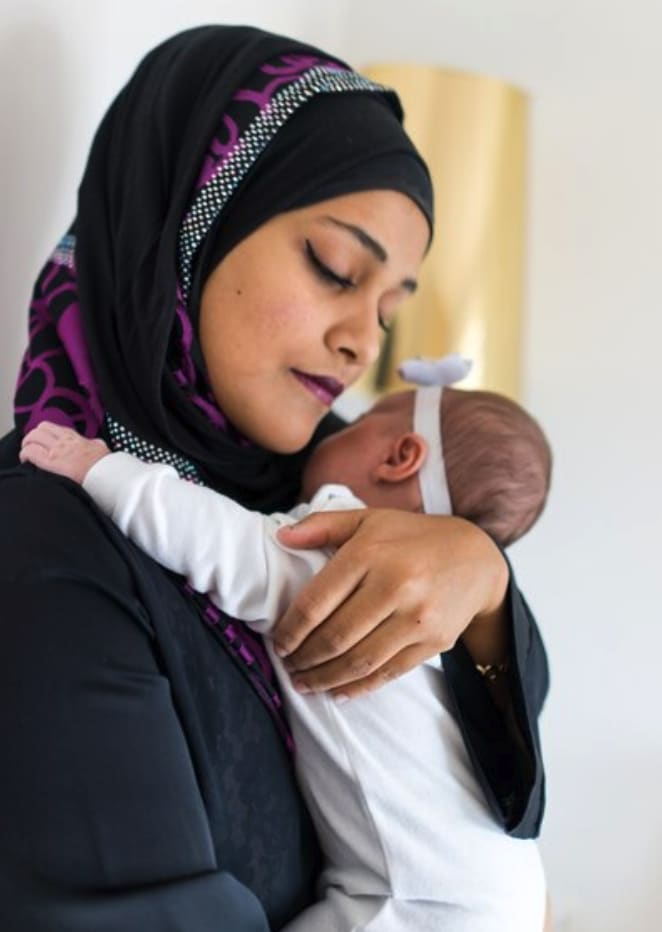
Why some families look for a Muslim doula
Muslim families practice their faith in many different ways, and there is no single way to have a Muslim birth. What many families want is support that respects modesty, prayer and family traditions without having to explain each one in the middle of labor. A Muslim doula may already know these practices. A doula of another faith can also support you well if they listen and plan with you ahead of time.
What to talk about with your doula
Modesty and same-gender care
Some Muslim women prefer to be examined only by women, or by a man only when necessary. A doula can't choose your hospital staff, but they can help you put this preference in your birth plan, ask staff to knock and keep you covered, and speak up for you while you focus on labor.
Prayer, Quran and dua
Many women recite Quran or make dua (supplication) during pregnancy and labor. Ask whether the doula can protect quiet time for recitation, play recordings you choose, and make space for prayer for as long as you are able.
Halal food
Many Muslims eat only halal food and avoid pork, alcohol and meat not slaughtered according to Islamic teaching. Your doula can help you pack snacks and ask the hospital about halal meals. Some women like to eat dates during early labor.
The first moments after birth
Many families whisper the adhan (call to prayer) to the newborn soon after birth, and some perform tahnik, gently rubbing a small piece of softened date on the baby's palate. Some families also ask to take the placenta home to bury it. Tell your doula and care team in advance so there's time for what you want, even if plans change.
The weeks after birth
Islam doesn't set out a specific postpartum care routine, so customs about rest, visitors and food usually come from family culture. Some families plan an aqiqah, a sacrifice whose meat is shared with family and people in need, often around the seventh day. If your family observes a 40-day rest period, ask whether the doula offers postpartum visits and how they work alongside relatives who will be helping.
Questions to ask before you hire
- Have you supported Muslim families before?
- How would you help me stay covered and request female staff?
- Can you make space for prayer, recitation and dua during labor?
- Will you help us plan a moment for the adhan and tahnik after birth?
- Do you offer postpartum visits, and how do you work with family members?
- What do you charge, and do you accept Medicaid or offer a sliding scale?
If cost is a concern, check whether your state's Medicaid program pays for doulas. See which states cover doula care through Medicaid.
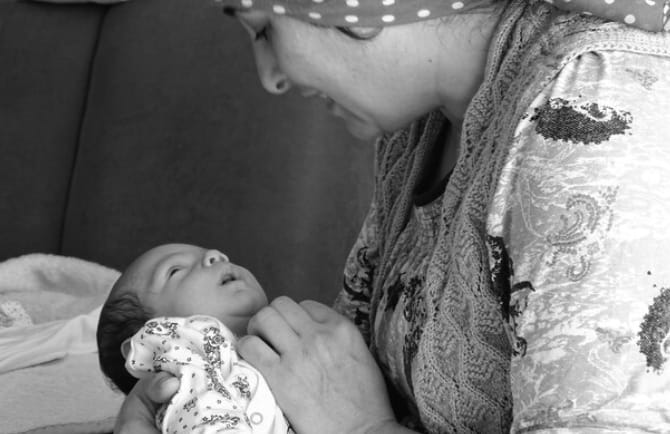
Find a Muslim doula near you
Post a free request with your due date and ZIP code, and mention that you'd like a Muslim doula or one experienced with Muslim families. Local doulas reply, and you can message them before you decide. Bornbir is free for parents. You can also browse doulas near you.