
The biggest perks of a postpartum belly wrap are the crucial core stability they offer, the support for healing abdominal muscles, and the way they help improve your posture after childbirth. Many new parents also find they provide gentle pain relief and a much-needed sense of security during those vulnerable early weeks of recovery.
What Exactly Is a Postpartum Belly Wrap
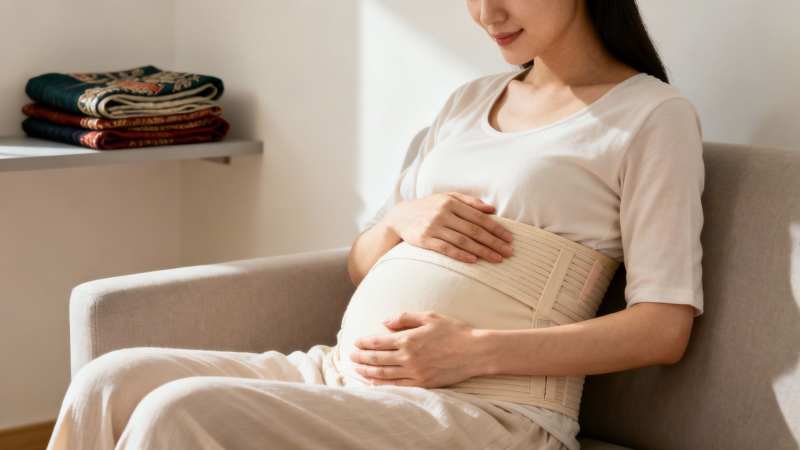
Let's start with the basics. A postpartum belly wrap is essentially a supportive hug for your abdomen after you’ve given birth. Think of it less as a restrictive medical device and more like a gentle, consistent compression garment.
It’s designed to support your core muscles and internal organs, all of which need a little help as they carefully shift back into place during the postpartum period. This journey of recovery, often called the fourth trimester, is a major transition for your body. To better understand this unique phase, you might find our guide on what the fourth trimester is all about helpful.
A Timeless Tradition Meets Modern Support
Belly binding isn't just some new wellness trend. It’s a practice that goes back centuries, deeply rooted in cultures all over the world.
For example, the Malaysian tradition of Bengkung belly binding uses long strips of cloth expertly wrapped from the hips up to the ribcage. The goal has always been the same: to provide comfort and stability during a physically demanding time.
Today’s postpartum belly wraps take this ancient wisdom and adapt it for modern parents. They offer a practical way to get similar support without needing to learn complex wrapping techniques. The purpose, however, remains unchanged.
A postpartum wrap is a short-term aid. It provides external support to your core, spine, and pelvic floor while your internal muscles work on regaining their strength naturally.
How It Works
So, what’s a wrap actually doing? The gentle compression it provides serves a few key functions. First, it helps hold your abdominal muscles closer together, which can be particularly helpful if you're experiencing diastasis recti (abdominal separation).
It also encourages better posture. This is a huge plus when you’re spending hours hunching over to feed or carry your newborn, a habit that almost always leads to back pain. By providing this external support, a wrap can help you feel more stable and "held together" as you heal.
It's best to see it as just one useful tool in your recovery toolkit. It's not a magic fix, but it can make those early postpartum days a whole lot more comfortable.
The Real Postpartum Belly Wrap Benefits
When you're finding your footing in early parenthood, any tool that promises a little extra comfort and support can feel like a godsend. That’s exactly what a postpartum belly wrap aims to be. An external support system that gives your internal core muscles a chance to heal and recover. For many new parents, the benefits you’ve heard about are very real.
One of the first things you'll likely notice is better core stability and posture. After birth, your abdominal muscles are stretched and weak, which can leave you feeling a bit wobbly. A wrap provides gentle compression that helps you feel more “held together” and acts as a physical reminder to stand and sit taller, especially during those long hours feeding and holding your baby.
Pain Relief and Healing Support
Beyond just stability, pain relief is a huge plus. This is especially true for parents recovering from a C-section, a procedure that accounts for about 32% of births in the U.S. Newer research has found that postpartum wraps can actually reduce post-op pain, lower distress levels, and help new moms move around more easily in those first couple of months.
The gentle compression gives your abdominal wall and lower back some much-needed stability. By encouraging better posture and alignment, it can also support your incision as it heals.
Even if you had a vaginal birth, a wrap can help ease the common back pain that comes from a weakened core. The physical demands of caring for a newborn are no joke, and this added support can make a world of difference.
The goal of a wrap isn’t to instantly reshape your body. Think of it as temporary support and comfort that works with your body’s natural healing process, not against it.
Reducing Swelling and Supporting Muscles
That gentle compression does more than just support you. It can also help with swelling. By encouraging better circulation and lymphatic drainage, a wrap may help your body deal with that extra postpartum fluid retention.
It also gives your abdominal muscles a gentle assist. For those experiencing diastasis recti (the separation of the abdominal muscles), a wrap can help bring those muscles closer together, providing a great companion to a targeted exercise plan. In fact, if you're looking for ways to rebuild that core strength, our guide on how to strengthen your pelvic floor for VBAC is a great place to start.
Ultimately, the benefits are both physical and emotional. Many parents say they feel more secure and confident while wearing a wrap. It’s a bit like how the best compression leggings for running provide support and aid in recovery for athletes. Belly wraps offer a similar functional benefit. That feeling of stability during such a vulnerable and transitional time can be incredibly reassuring as your body heals and adapts.
How to Choose the Right Belly Wrap for You
With so many options on the market, picking the right postpartum belly wrap can feel like a huge decision. The most important thing to remember is that there's no one-size-fits-all answer. Your best choice will come down to your type of birth, your comfort level, and what you’re hoping to achieve in your recovery.
Think of it like picking out a good pair of shoes. You wouldn't wear hiking boots to go for a run, and you wouldn't wear flimsy running shoes on a rocky trail. In the same way, the ideal wrap for a mom recovering from a C-section will be very different from what's best after a vaginal birth.
This simple decision tree can give you a starting point, helping you visualize the main focus for each recovery path.
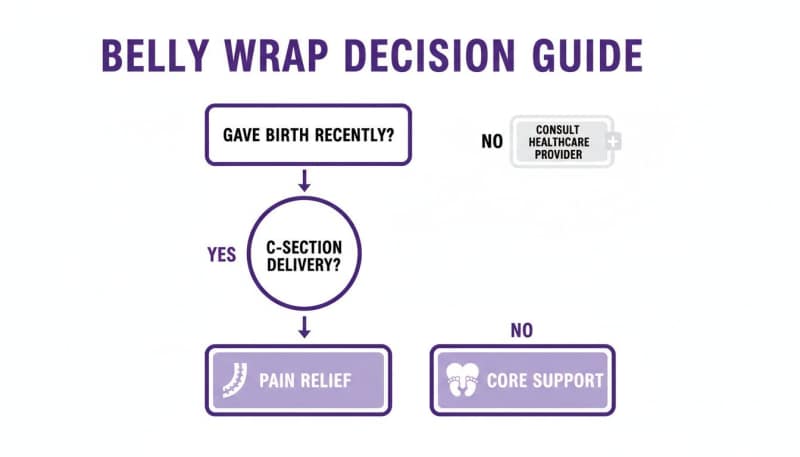
As you can see, the goals often diverge. C-section recovery tends to prioritize protecting the incision and managing pain, while recovery from a vaginal birth leans more toward general core support.
Key Features To Look For
Regardless of the style you're leaning toward, a few features are non-negotiable if you want to get the most out of your wrap. Keep an eye out for these key design elements that put your comfort and healing first.
- Breathable Materials: Your skin needs to breathe, especially around a healing incision site. Look for wraps made from soft, lightweight fabrics like cotton or bamboo to keep your skin happy and avoid irritation.
- Easy Adjustability: Your body changes shape incredibly fast in those first few weeks postpartum. A wrap with multiple adjustment points, like Velcro straps or hook-and-eye closures, is a must, as it lets you customize the fit for supportive but comfortable compression.
- Simplicity and Ease of Use: With a newborn in your arms, the last thing you need is a complicated gadget. Simple, structured designs are often much easier to manage on your own than traditional long-cloth binders that require intricate wrapping.
Comparing Postpartum Belly Wrap Styles
To make the choice even clearer, let's break down the three most common types of wraps you'll find. Each one offers a different level of support, making them better suited for different needs during your recovery journey.
This table compares the common types of belly wraps to help you decide which is best for your postpartum recovery needs.
| Wrap Type | Best For | Pros | Cons |
|---|---|---|---|
| Structured Binders | C-section recovery and significant core support. | Provides firm, stable compression. Often has multiple panels for a customizable fit. | Can feel bulky under clothing. May be too rigid for some activities. |
| Flexible Wraps | Vaginal birth recovery and gentle, everyday support. | Soft, comfortable, and discreet under clothes. Allows for more freedom of movement. | Offers less intense compression. May roll or bunch up with movement. |
| Corset-Style Wraps | Those seeking maximum compression and hip support. | Covers a larger area from ribs to hips. Can help with posture and hip alignment. | More restrictive and can be complex to put on correctly. May be too intense for early postpartum. |
Ultimately, the best wrap is the one you will actually wear consistently. As you get ready for your baby’s arrival, thinking about your wrap choice is a smart addition to your planning. For more tips on getting prepared, check out our hospital bag checklist for labor.
Using Your Belly Wrap Safely and Effectively

So, you have a postpartum belly wrap. Now what? Just owning one isn't enough. Using it correctly is where the magic happens. Let's walk through how to wear your wrap so it actually helps your recovery instead of getting in the way.
The goal here is support, not restriction. Think of the wrap as a firm but gentle hug for your abdomen. You should always be able to take a deep breath and move around comfortably without any pinching, digging, or pain.
If you find yourself constantly fiddling with it or feeling short of breath, that’s a big red flag. It’s too tight. Loosen it up until it feels snug and secure, but never suffocating.
When To Start and How Long To Wear It
One of the first questions everyone asks is, "When can I start wearing it?" If you had a vaginal delivery, you can generally start using a wrap within a day or two. And it's a popular choice. A recent study found that of the 82% of women who planned on using a binder after a vaginal birth, 71% wanted to start within the first two days. You can dig into more of the data in the 2023 Southern Medical Journal study.
A C-section, however, is a different ballgame. You’ll need to be more patient and wait until your incision is healed enough to handle that gentle pressure. This is usually around 4 to 6 weeks postpartum, but you absolutely must get the green light from your doctor first. For more on this, our article on how to care for a C-section incision is a great resource.
As for how long you should wear it each day, there’s no single right answer. It's all about listening to your body.
A good rule of thumb is to start slow. Try it for just one to two hours a day and see how you feel. If that’s comfortable, you can gradually wear it for longer periods, but always give your body breaks.
Important Safety Considerations
While a belly wrap can be a fantastic tool, using it the wrong way can create new problems. Remember, it's a support system, not a replacement for rebuilding your core strength from the inside out.
Here are a few critical safety tips to keep in mind.
- Don't Cinch It Too Tight: Wrapping it like a corset creates way too much downward pressure on your pelvic floor. This is the opposite of what you want and can actually make issues like prolapse worse. That "gentle hug" feeling is your best guide.
- Avoid 24/7 Wear: Your core muscles have to get back to work on their own. Relying on the wrap all day, every day can make them lazy and weaker over time. Think of it as a tool for specific activities, like when you're walking, doing light chores, or just need that extra bit of support.
- Listen to Your Body: This is the golden rule. If you feel any pain, numbness, skin irritation, or notice an increase in bleeding, take the wrap off immediately. Call your doctor or midwife. Your body is smart and will tell you when something is wrong. You just have to listen.
A Belly Wrap Is a Tool, Not a Total Solution
It’s so easy to get swept up in the buzz about postpartum belly wraps. And while they can be a fantastic support tool, it's really important to keep a balanced perspective. A belly wrap isn't a magic wand for postpartum recovery.
Let's clear up a couple of common myths right off the bat. A wrap will not cause weight loss, and it won’t single-handedly shrink your uterus back to its pre-pregnancy size. Its real job is to offer external support and comfort, not to fundamentally alter your body's natural healing process.
True, lasting recovery is an inside-out job.
Building Your Holistic Recovery Plan
Think of your wrap as just one helpful piece of a much bigger puzzle. The real work of healing happens when you support your whole body with a combination of healthy habits. A wrap simply helps you feel more stable while you focus on these other essential parts of your recovery.
A holistic approach brings several key elements together:
- Gentle Core Exercises: Rebuilding your internal strength is non-negotiable. A wrap supports your muscles from the outside, but only specific exercises can retrain them from the inside.
- Proper Nutrition and Hydration: Your body is doing some serious repair work, not to mention possibly producing milk. Fueling it with nutrient-dense foods and tons of water is absolutely essential for healing.
- Adequate Rest: This is often the hardest one to get with a newborn, but rest is when your body does its most significant repairs. You have to prioritize sleep whenever and wherever you can.
The Importance of Professional Guidance
While a wrap gives you that comforting "held-together" feeling, it can’t diagnose or fix underlying issues like diastasis recti or pelvic floor dysfunction. For that, you really need an expert.
A belly wrap is a helpful companion, but it is not a substitute for physical therapy. True core restoration comes from targeted exercises that rebuild strength and function from within.
Working with a pelvic floor physical therapist is one of the best investments you can make in your long-term health after having a baby. They can create a personalized exercise plan to safely heal your core and pelvic floor, making sure you recover strong.
Your wrap is there to make the journey more comfortable. But the journey itself is a team effort between rest, nutrition, and targeted movement. For those interested in traditional postpartum healing practices, you might also want to explore other cultural traditions like the Closing the Bone ceremony to complement your recovery.
Finding Professional Support for Your Postpartum Journey
Navigating your recovery after childbirth is so much easier when you have the right people in your corner. While a belly wrap offers fantastic external support, it’s really just one piece of a much bigger puzzle. Building a network of professionals can make your postpartum journey feel less overwhelming and way more supported.
This is where perinatal experts are absolute game-changers. They offer specialized guidance that a wrap alone just can't provide, helping you address the root causes of discomfort and create a plan for true, inside-out healing.
Your Postpartum Support Team
Think of these professionals as key players who can guide your recovery and help you feel your best.
- Pelvic Floor Physical Therapist: This specialist is crucial for assessing your core strength and pelvic health after birth. They can confirm you're using a wrap correctly and give you targeted exercises to safely rebuild your abdominal muscles without causing more harm.
- Postpartum Doula: A doula provides incredible hands-on emotional and physical support right in your home. They can help with newborn care, light household tasks, and offer a listening ear, giving you more precious time to rest and recover.
- Lactation Consultant: If you're breastfeeding, a lactation consultant can be a lifesaver. They help with everything from latching issues and milk supply concerns to finding comfortable feeding positions that reduce strain on your back and core.
Finding vetted professionals doesn't have to be another complicated task on your list. Modern platforms now make it much simpler to connect with experienced perinatal experts who fit your family’s unique needs, right from the comfort of your home. The goal is to empower you to build a reliable support system you can lean on.
The postpartum period often brings a wave of sleep disturbances and anxiety, which is completely normal but challenging. To support your overall well-being, learning practical methods for managing these issues can make a world of difference. For some great guidance on improving your rest, read more about how to sleep better with anxiety.
Common Questions About Belly Wraps
Let's dive into some of the most common questions that come up about using a postpartum belly wrap. Getting straight answers can help you feel much more confident as you navigate your recovery.
Can I Use a Belly Wrap After a C-Section?
This is probably the biggest question we hear. And yes, you absolutely can wear a belly wrap after a C-section, but the timing is everything. You’ll need to wait for your doctor's official green light, which typically comes around 4 to 6 weeks after birth. This pause gives your incision the time it needs to heal properly before you introduce any gentle compression.
How Do I Know If It’s Too Tight?
Getting the fit right is another major concern. The goal is support, not restriction. Think of it as a gentle, reassuring hug for your midsection, not a super-tight corset. The simplest test? You should always be able to take a full, deep breath without any trouble.
If you feel any pinching, shortness of breath, or a noticeable increase in pressure down in your lower abdomen or pelvic floor, that's your cue to loosen the wrap immediately.
Will It Help With Diastasis Recti?
You might also be wondering if a belly wrap can help with diastasis recti, which is that common separation of the abdominal muscles. A wrap can definitely be a helpful tool in your recovery toolkit. It provides that external support to gently encourage those muscles back toward the midline.
But it’s important to remember that a wrap isn’t a magic fix on its own. It works best when paired with a targeted physical therapy program designed to rebuild your core strength from the inside out. The wrap supports your muscles while you do the foundational work to heal them.
Ready to find the professional support you need for your postpartum journey? On Bornbir, you can connect with thousands of vetted doulas, lactation consultants, and physical therapists to build your ideal care team. Find your perfect postpartum provider today.