
Preparing for a new baby often means buying more feeding supplies than expected. Bottles, nipples, pump parts, and other small accessories can quickly become part of a daily cleaning routine. For families who bottle-feed frequently or pump throughout the day, keeping everything clean and ready for the next feeding can take more time and effort than anticipated.
A baby bottle washer can help simplify this routine, but not every machine offers the same combination of capacity, cleaning functions, and everyday convenience. Some focus primarily on washing, while others combine washing with sanitizing, drying, and storage.
So, how should parents choose the right one? Instead of comparing every feature on the market, start with five practical considerations that can make a meaningful difference in your feeding routine.
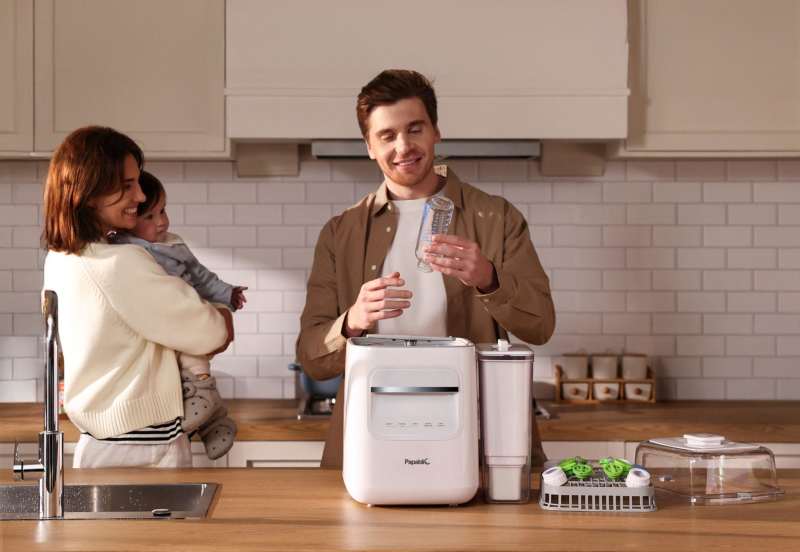
Baby Bottle Washer Buying Guide: 5 Features to Compare
1. Capacity and Loading Flexibility
The first thing to consider is how much feeding equipment your household uses between cleaning cycles.
A family that prepares several bottles each day may need a larger capacity than a household that uses only one or two bottles occasionally. Parents who pump may also need room for breast pump parts, flanges, connectors, and other small accessories.
Capacity matters because a machine that is too small may still leave you managing several separate loads. A thoughtfully designed interior can make it easier to organize feeding essentials without overcrowding the machine.
2. Cleaning Performance and Coverage
A bottle washer should do more than offer a convenient alternative to handwashing. Its cleaning design should also suit the different shapes and sizes of the items you use every day.
Milk residue can collect around bottle threads, nipples, and other small components. Pump parts may have narrow openings or irregular shapes that require careful cleaning. That makes spray coverage, loading arrangements, and compatibility important considerations when comparing machines.
Remember that loading correctly is part of effective cleaning. Even a machine with a well-designed spray system may not clean items as intended if they are overcrowded or positioned incorrectly.
3. Washing, Sanitizing, and Drying in One System
A baby bottle washer and sterilizer can be particularly useful for families who want several stages of the cleaning routine handled by one appliance.
An all-in-one system can reduce the need to transfer bottles between multiple appliances and manage several separate stages. That can be especially helpful during the newborn period, when feeding and pumping may happen repeatedly throughout the day and night.
However, don't assume that every cycle includes every function. Review the available programs and understand which stages are included in each one.
4. Cycle Time and Mode Options
When feeding supplies are needed again soon, cycle time can make a practical difference. A quick-wash option is especially useful when parents need clean bottles in a hurry. A 12-minute quick-wash cycle, for example, saves 7 minutes compared with a 19-minute option—valuable time when the next feeding is coming up.
It’s also worth checking whether a washer offers different programs for different needs. A normal wash can handle routine cleaning, while a heavy wash provides an option for more intensive cleaning when needed. Having multiple programs gives parents more flexibility to match the cycle to their daily feeding routine.
5. Water Filtration and Ongoing Maintenance
Water quality is another factor worth considering, particularly for households that regularly notice hard-water spots or mineral buildup on feeding equipment. Hard water contains dissolved minerals that can leave visible deposits and contribute to limescale buildup over time.
A washer without built-in water filtration may require more frequent descaling, depending on local water conditions and the manufacturer's recommendations. Some models may also recommend distilled water, which adds an ongoing purchase cost.
Models with built-in filtration offer a different maintenance routine: instead of relying solely on descaling or purchasing distilled water, you'll need to check and replace the filter according to the manufacturer's recommended schedule. However, in the long run, depending on your local water quality and usage, replacing a filter may cost less than regularly purchasing distilled water.
Why Consider the Papablic SafeguardPlus™ Baby Bottle Washer System?
For parents looking to simplify several parts of the feeding-equipment cleaning routine, the Papablic SafeguardPlus™ Baby Bottle Washer System brings five functions together: water filtration, washing, sterilizing, drying, and storage.
Its design addresses several of the practical considerations discussed above.
- Room for a busy feeding routine. The system accommodates up to 8 bottle sets, or 2 pump parts and accessories. For households that go through multiple bottles each day, having room for frequently used feeding essentials can help reduce the need to split everything into smaller loads.
- 360° Deep Clean for hard-to-reach corners. Designed with 360° rotating dual spray arms, SafeguardPlus delivers targeted water coverage to help clean bottles and compatible accessories, reaching even hard-to-reach corners when items are loaded correctly.
- Multiple steps all in one appliance. Rather than requiring separate machines for washing, sterilizing, and drying, SafeguardPlus combines these functions in one system. This can help streamline the process of preparing feeding equipment for its next use.
- A quick-wash option for busy days. The 12-minute quick-wash cycle is ideal when your baby’s next feeding is coming up and you need clean bottles immediately. Parents can also choose normal or heavy modes that fit different requirements of their routine.
- Built-in water filtration. SafeguardPlus features built-in water filtration designed to soften water and help reduce lead and PFAS, as well as water spots and limescale. A built-in filter reminder also helps parents keep track of when maintenance is due.
- Storage as part of the routine. The system includes a storage function designed to keep clean items hygienic for up to 72 hours.
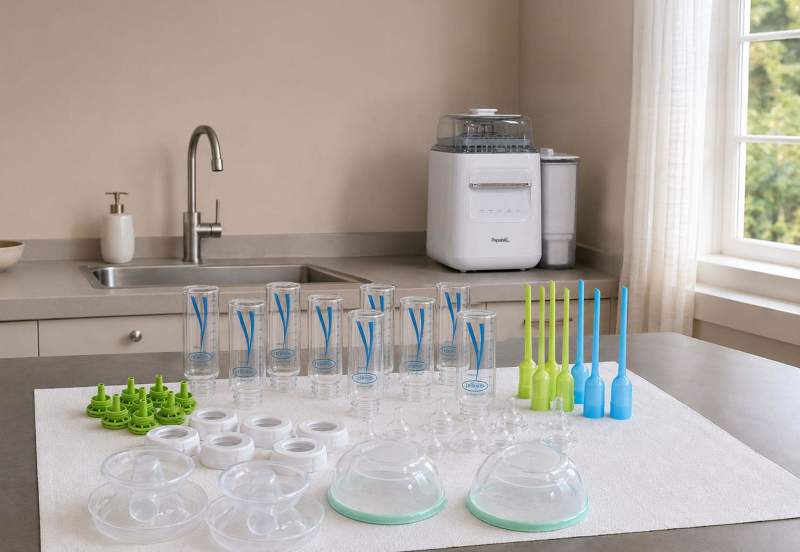
SafeguardPlus may be especially worth considering for sleep-deprived parents who are juggling frequent feedings, pumping sessions, and the endless cycle of cleaning bottles. That means less time standing at the sink, fewer separate tasks to keep track of, and more time to rest, prepare for the next feeding, or simply enjoy a quiet moment with their baby. When every minute of sleep counts, making daily feeding routines easier can be a meaningful difference.
Is a Baby Bottle Washer Worth It?
A dedicated bottle washer is not essential for every family. Whether it is worth buying depends on how often you use feeding equipment, how much time you spend cleaning it, and which parts of the routine you want to simplify.
Handwashing: A Flexible, Low-Cost Option
Handwashing may work well for families who use relatively few bottles or prefer to manage each cleaning step themselves. It does, however, require hands-on time throughout the day, along with suitable cleaning supplies and space for drying.
When bottle and pump-part use increases, the repeated work can become more noticeable.
A Dishwasher: Convenient, but Not Always Ideal
Using a household dishwasher may seem like an easy way to clean baby bottles, but it can come with practical drawbacks. Bottles and dishes may not need washing at the same frequency, so parents may find themselves waiting for a full load or running the dishwasher more often just to keep feeding supplies ready. Some parents also worry about lingering detergent odors, food stains transferring to bottles or accessories, and plastic parts warping or melting if they aren't dishwasher-safe or exposed to unsuitable heat settings.
For families who need bottles and pump parts cleaned frequently throughout the day, a dedicated baby bottle washer may offer a more feeding-focused routine without having to coordinate every load with the household dishes.
A Dedicated Baby Bottle Washer: Designed Around Feeding Equipment
For families who use bottles frequently or pump several times a day, a dedicated washer can bring more of the cleaning routine into one place. Depending on the model, it may combine washing with sanitizing, drying, and storage, reducing the need to coordinate multiple appliances.
A system such as Papablic SafeguardPlus may offer the most value to parents who will use its functions regularly.
Final Checklist Before You Buy
Before choosing a baby bottle washer, take a moment to review these five questions:
- Capacity: Can it accommodate the number of bottles and compatible accessories you use?
- Cleaning performance: Is the loading and spray design appropriate for your feeding equipment?
- Functions: Do you need washing alone, or would combining sanitizing, drying, and storage make your routine easier?
- Cycle time: Are the available programs suitable for your everyday needs?
- Filtration and maintenance: Does the washer help soften water, reduce lead and PFAS, and minimize water spots and limescale?
The best baby bottle washer is the one that fits your household's actual feeding routine. For parents managing frequent bottles and pumping equipment, an all-in-one system such as Papablic SafeguardPlus can help bring more of the cleaning process together in one place. By comparing capacity, functions, cycle options, and maintenance requirements before buying, you can choose a setup that makes everyday feeding preparation more manageable.
Frequently Asked Questions
What should parents look for in a baby bottle washer?
Parents should consider capacity, cleaning performance, available wash and sanitizing programs, cycle time, and water filtration. For families who bottle-feed or pump frequently, an all-in-one system like the Papablic SafeguardPlus™ can simplify the routine by combining filtration, washing, sterilizing, drying, and storage in one appliance.
How does built-in water filtration benefit parents?
SafeguardPlus features built-in water filtration designed to soften water and help reduce water spots and limescale. Its filtration system is also intended to address lead and PFAS contaminants. The built-in filter reminder helps parents keep track of maintenance, while long-term costs may compare favorably with repeatedly purchasing distilled water, depending on local water quality and usage.
Is a baby bottle washer worth it?
For parents managing frequent feedings and pumping sessions, a baby bottle washer can reduce the hands-on work involved in cleaning feeding equipment. The Papablic SafeguardPlus™ combines washing, sterilizing, drying, and storage in one system, helping parents spend less time moving between cleaning tasks and more time resting or preparing for the next feed.