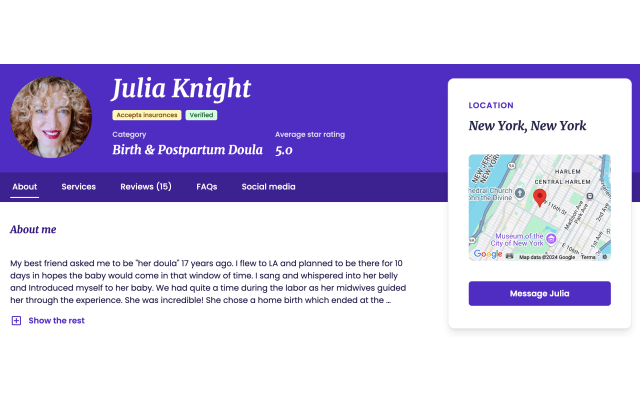
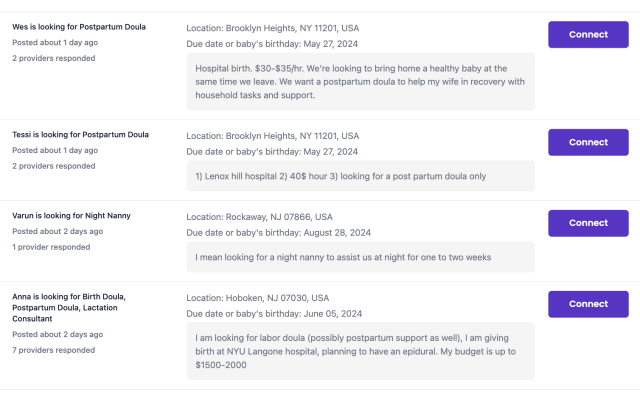
We invite you to join BornBir, the premier platform for perinatal support, often referred to as the "Airbnb" for new parents. Doulas play an essential role in empowering families through pregnancy, birth, and postpartum care, offering personalized support tailored to each family's needs. With a network of over 7,000 Doulas, Lactation Consultants, Midwives, and OBGYNs across all 50 states, we're proud to connect parents with skilled professionals. Create your free Doula profile today in less than 5 minutes! What can BornBir do for Doulas? You have a FREE dedicated provider profile for life, which is how most families find you....
Yes, doulas can potentially make six figures, but this typically depends on several factors such as experience, location, services offered, and business acumen. Here are the key factors that could help a doula reach a six-figure income: 1. Location: In larger cities and more affluent areas, doulas can charge higher fees. For example, in cities like New York, Los Angeles, or Chicago, the demand for doula services is higher, and clients are often willing to pay a premium for personalized, professional care. 2. Pricing Structure: Higher Fees: Experienced doulas, or those with special certifications (e.g., lactation consultant, childbirth educator), can...
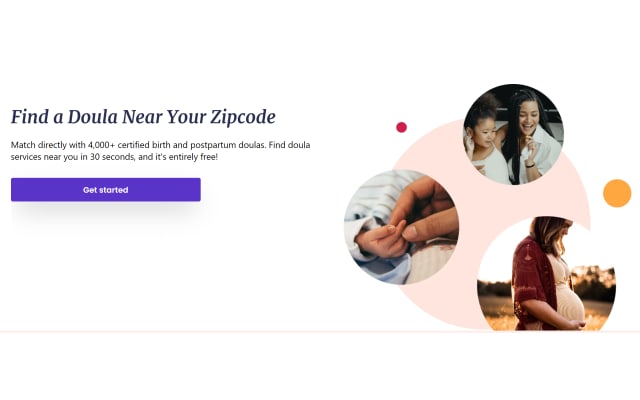
Finding a doula who accepts Health Partners insurance involves several steps. Here are three common steps you can follow: Review Your Health Partners Plan: Start by understanding what your specific Health Partners plan covers regarding doula services. Check the details of your coverage to know what services are included and any potential costs. Match with Doulas Near Your Zip Code: Use resources such as Bornbir, which offers a tool to find doulas in the US and Canada (also Australia & UK). You can search by location and other criteria. After finding potential doulas, you’ll need to verify if they accept...
Doulas provide support in various ways, primarily categorized by the stages of the childbirth process they specialize in. Here are the main types of doulas: Birth Doula: Also known as a labor doula, this professional provides emotional, physical, and educational support to a mother who is expecting, is experiencing labor, or has recently given birth. They assist during childbirth to make the experience as positive and safe as possible. Postpartum Doula: They offer help and support in the weeks following childbirth. Their support can include breastfeeding advice, light housework, care strategies for the newborn, and emotional and physical recovery help...
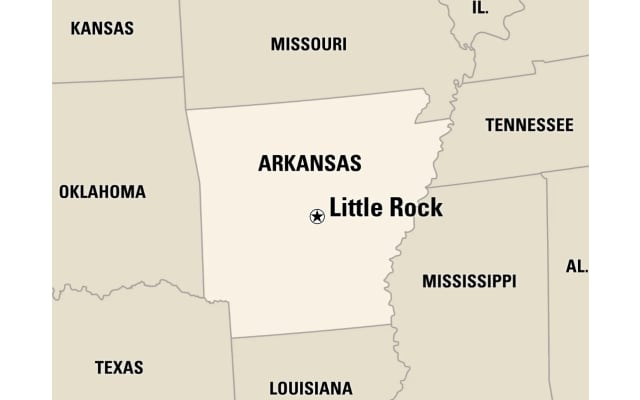
In Arkansas, the cost of hiring a doula typically ranges from $800 to $2000. Some doulas may offer sliding scale fees or payment plans to accommodate different financial situations. Some doulas offer various packages which might include prenatal visits, continuous labor support, postpartum visits, and additional services like childbirth education. Working with a doula in Arkansas involves a few steps to ensure you get the support tailored to your needs: Research and Selection: Start by researching doulas in your area. Websites, reviews, and referrals from friends or healthcare providers can be helpful. Consider their experience, services offered, and compatibility with...
To find a Medicaid doula in Pennsylvania, you can follow these steps: Contact Pennsylvania Medicaid: Reach out to the Pennsylvania Medicaid office or visit their official website. They can provide you with information on covered services, including doula care, and how to access them. Search Through Local Health Departments: Local health departments often have resources or can direct you to programs that offer doula services covered by Medicaid. Match with Medicaid-Approved Doulas: Known as the "Airbnb" of doula support, simply answer a few questions on Bornbir, and get prompt responses from local doulas who are medicaid-approved in 30 seconds. It's...
Doulas in Long Island, New York, offer invaluable support to families during childbirth and the postpartum period. If you're considering hiring a doula or becoming one yourself, understanding the potential compensation is crucial. Here’s a brief overview of what doulas in this region can expect to earn: Range of Compensation: Doula services on Long Island vary widely depending on the type of service provided and the doula’s level of experience. Birth Doulas: Typically, birth doulas offer a package that includes prenatal visits, presence during labor and delivery, and a postpartum visit. Fees for these services can range from about $800...
To find a Medicaid doula in Louisiana, you can follow these steps: Contact Louisiana Medicaid Services: The Louisiana Department of Health manages Medicaid services. You can contact them directly or visit their website to inquire about doula services covered under Medicaid. They can provide you with the latest information on eligibility and how to access these services. Ask for Recommendations: Contact local hospitals, birthing centers, and women's health clinics. These institutions often have lists of doulas and may know which ones accept Medicaid. Use Online Directories: Websites like Bornbir allow you to search for doulas based on location and services...
Finding doulas who accept Medicaid in Nevada can be done through a few steps. Here's a step-by-step guide: Check with Medicaid Provider Directory: Start by checking Medicaid provider directory for Nevada. The directory should include a list of healthcare professionals and service providers, including doulas. Contact Nevada Medicaid Office: Reach out to the Nevada Medicaid office either by phone or through their website. Explain that you are looking for a doula who accepts Medicaid and ask for assistance in finding a qualified provider. Ask Your Primary Care Provider: If you have a primary care provider, they might be able to...