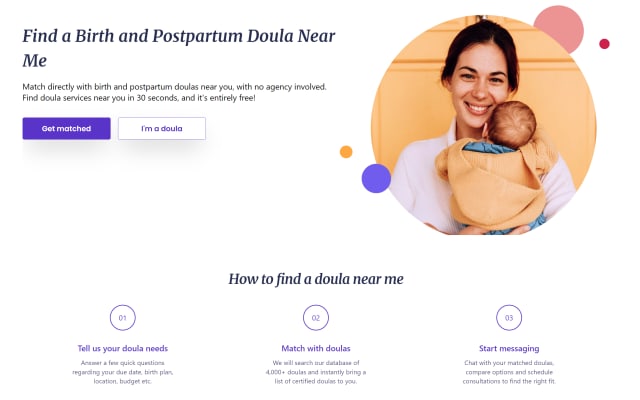
To find a Medicaid doula near you in Mississippi, you can follow these steps: 1. Research Medicaid Coverage Begin by researching the coverage provided by Mississippi Medicaid for doula services. Visit the official website of Mississippi Medicaid or contact their customer service for information on approved providers and coverage details. Look for specific guidelines regarding doula services within Medicaid's maternal health programs. This step will help you understand the extent of coverage available and any requirements for accessing Medicaid-covered doula services. 2. Explore Local Resources Explore local resources and networks in Mississippi that specialize in maternal health and doula services....
Finding doulas who accept Medicaid in Kentucky can be done through several methods: Medicaid Provider Directory: Start by checking the Medicaid Doula Directory. This directory should list healthcare providers, including doulas, who accept Medicaid in the state. Doula Organizations: Contact doula organizations or associations in Kentucky. They may have a list of doulas who accept Medicaid or be able to direct you to resources where you can find Medicaid-accepting doulas. Online Directories: Use online search engines and directories that specialize in healthcare providers who accept Medicaid. Websites like Bornbir may have directories where you can filter for doulas who accept...
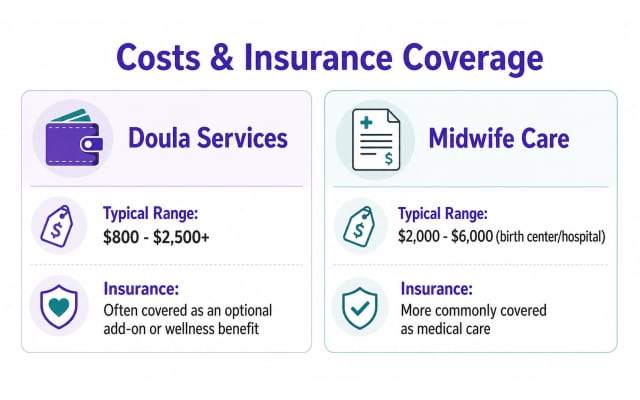
You're staring at two very different kinds of help, and the names sound close enough to blur together. One provider feels like the steady person in the room, the other feels like the medical professional guiding the birth itself. If you're trying to budget, compare insurance, and figure out who stays with you after you go home, the doula vs midwife decision gets real fast. Criteria Doula Midwife Main role Non-medical support during pregnancy, labor, and postpartum Medical maternity care during pregnancy, birth, and follow-up What they do Comfort measures, breathing, massage, positioning, advocacy, emotional support Prenatal care, labor management,...
Doulas come from a wide range of age groups, with many entering the profession after their own childbirth experiences or after careers in related fields such as nursing, teaching, or counseling. The diversity in age allows for a broad spectrum of experiences and perspectives, which can be beneficial to expectant parents looking for support that aligns with their personal preferences and needs. People often choose to become doulas at different stages of their lives, so you can find doulas who are in their 20s, 30s, 40s, 50s, and beyond. The key qualities that make a good doula—empathy, patience, communication skills,...
Getting the most out of your doula involves clear communication, setting expectations, and utilizing their full range of skills and knowledge. Here’s how you can maximize the benefits of having a doula support you through pregnancy, birth, and postpartum: 1. Communicate Your Needs and Expectations Early Conversations: Start by discussing your expectations, fears, and preferences for your birth and postpartum experience. Be clear about what you envision and how you hope your doula will support you. Birth Plan Assistance: Use your doula's knowledge to help formulate or refine your birth plan. They can offer insights on what might be realistic...
The process and time it takes to become a postpartum doula are similar in structure to becoming a birth doula, but with a focus on postnatal care rather than labor and delivery support. Here's an overview of the timeline and steps involved in becoming a certified postpartum doula: 1. Doula Training Workshop Duration: Initial training workshops for postpartum doulas typically last 2 to 4 days. These workshops are designed to provide foundational knowledge on postpartum care, breastfeeding support, newborn care techniques, and the emotional and physical recovery of the mother. 2. Certification Requirements After completing the initial workshop, you'll need...
Doulas primarily provide emotional, physical, and informational support during pregnancy, childbirth, and the postpartum period. Their main focus is on the well-being of the mother and to assist in the childbirth process. The services offered by doulas can vary, but they typically do not include household cleaning tasks. Here's a breakdown of what different types of doulas do: Birth Doulas support you before, during, and shortly after childbirth. They offer guidance on birth plans, pain management techniques, and emotional support but do not perform medical tasks or household chores like cleaning. Postpartum Doulas offer support after the baby is born,...
Marketing yourself as a doula involves a combination of strategies aimed at building your brand, establishing a strong online presence, networking within your community, and leveraging word-of-mouth referrals. Here are some effective ways to market yourself as a doula: 1. Develop a Professional Online Presence Website: Create a professional website that outlines your services, background, certifications, and contact information. Include testimonials from past clients and a blog with relevant content to help with SEO (Search Engine Optimization). Social Media: Utilize platforms like Instagram, Facebook, and Bornbir to share informative content, client testimonials, and personal stories that reflect your approach to...
While doulas can offer significant benefits to birthing individuals and their families by providing emotional, physical, and informational support during pregnancy, childbirth, and the postpartum period, there are also potential disadvantages to consider: Cost: Hiring a doula can be expensive, with rates varying widely depending on location, experience, and services offered. This expense might not be feasible for everyone, especially since doula services are not always covered by health insurance plans. Availability: Doulas often work with a limited number of clients each month to provide personalized care. Finding a doula with availability around your due date might be challenging, especially...