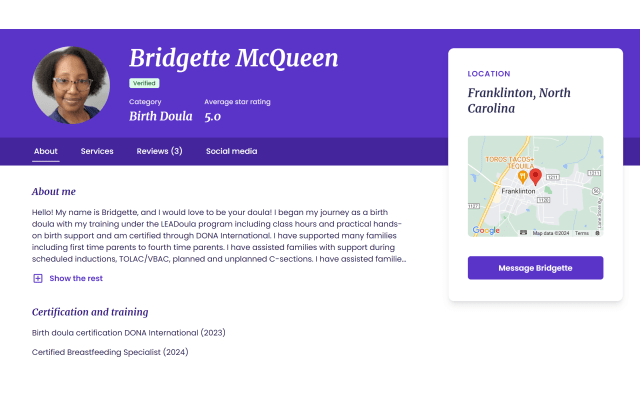
Finding doulas that accept Medicaid can involve a bit of research and direct communication with potential providers. Here are some steps to help you find doulas who accept Medicaid in your area in 2024: Contact Medicaid Office: Start by contacting your local Medicaid office or the agency responsible for Medicaid in your state. They can provide information on whether doula services are covered and may also offer a list of doulas who accept Medicaid. Use Online Directories: Online directories and websites dedicated to connecting individuals with healthcare providers may have listings for doulas who accept Medicaid. Websites like Bornbir may...
Insurance coverage for doula services varies among insurance companies and policies. There are several reasons why insurance companies may not cover doula services, and these reasons can vary depending on the specific policies of each insurer. Here are some common factors: Lack of Standardization: Doula services are not standardized in the same way as medical procedures or interventions. Insurance companies often base their coverage on standardized medical treatments and services with established codes, making it easier to process claims. Since doula services may not have such standardized codes, insurance companies may find it challenging to include them in coverage. Perceived...
To find out if there have been any changes in Medicare coverage for doula services and to locate doulas covered by Medicare near you, follow these steps: Contact Medicare directly:Visit the official Medicare website. Call the Medicare hotline at 1-800-MEDICARE (1-800-633-4227). TTY users can call 1-877-486-2048. Inquire about the latest information on coverage for doula services and ask for any available resources. Contact local doula organizations:Reach out to local doula organizations or associations in your area. They may have information on whether any doulas are accepting Medicare or if there have been recent changes in coverage. Consult healthcare providers:Contact your...
The cost of a sleep coach can vary depending on various factors such as their experience, qualifications, location, and the services they offer. On average, you can expect to pay anywhere from $50 to $200 per session for individual coaching sessions. Some coaches may offer package deals or group sessions, which can affect the overall cost. It's important to note that these are general estimates, and prices may vary. Additionally, some coaches may provide services remotely through online platforms, which can sometimes be more affordable than in-person sessions. If you're considering hiring a sleep coach, it's advisable to research and...
The decision of when to start sleep training for a baby depends on various factors, including the child's age, developmental readiness, and the preferences of the parents. Here are some general guidelines: Age: Pediatricians often recommend waiting until a baby is at least 4 to 6 months old before starting any formal sleep training. Before this age, babies may still need frequent nighttime feedings, and their sleep patterns are less predictable. Weight and Growth: Ensure that your baby is gaining weight appropriately and is in good overall health before considering sleep training. Consult with your pediatrician to get personalized advice...
Creating a website for your doula services is an excellent way to showcase your skills, connect with clients, and establish an online presence. While there are paid options for website templates, you can also find free templates that suit your needs. Here's a step-by-step guide on how to get a free doula website template: Choose a Platform: Decide on the platform you want to use for your website. Popular options include WordPress, Wix, Bornbir, and Squarespace. Each platform has its own selection of free and customizable templates. Visit Template Galleries: Go to the template gallery or store of your chosen...
1. Doulas of the Roundtable Doulas of the Roundtable is one of the better picks if you want doula podcasts that sound like they were made by people who understand the messy middle of birth work. Not just the philosophy. The day-to-day reality. It leans professional, but that isn't a drawback for every parent. If you're interviewing doulas, hearing how experienced birth workers talk about induction, cesareans, communication, and boundaries can tell you a lot about the kind of support you want in the room. Where it's strongest The back catalog is the primary value here. You can usually find...
A babymoon is a wonderful way for expectant parents to relax and enjoy some quality time together before the arrival of their baby. Here are 10 babymoon ideas to consider: Beach Retreat: Escape to a tranquil beach destination for sun, sand, and relaxation. Choose a resort with comfortable accommodations and spa services to pamper the mom-to-be. Mountain Getaway: Head to the mountains for a cozy retreat. Enjoy the fresh air, scenic views, and perhaps some gentle hiking or nature walks. City Staycation: Explore your own city or visit a nearby urban area for a weekend of dining, shopping, and cultural...
You're folding baby clothes, waiting at a prenatal appointment, or trying to stay awake on the drive home. Meanwhile, your brain is running through a long list of questions. What's normal this week. What should go in a birth plan. How do you know whether you need a doula, a midwife, or just better information. That's where podcasts help. They turn spare minutes into useful prep, and they can make pregnancy feel less lonely when you're sorting through a lot of opinions. The pregnancy podcast space is big enough to support very different styles too. A 2026 pregnancy podcast ranking...
There are many great books for expecting and pregnant parents that cover a variety of topics related to pregnancy, childbirth, parenting, and baby care. Here are some popular and highly recommended ones: "What to Expect When You're Expecting" by Heidi Murkoff and Sharon Mazel:A classic guide that provides comprehensive information about pregnancy, month by month, addressing common concerns and offering practical advice. "The Expectant Father: The Ultimate Guide for Dads-to-Be" by Armin A. Brott and Jennifer Ash:Geared towards dads-to-be, this book covers the emotional and practical aspects of pregnancy, childbirth, and the early days of fatherhood. "Ina May's Guide to...