Choosing the best hospital for childbirth in Baltimore involves considering factors such as the quality of maternity care, the availability of specialized services, and your personal preferences for the birth experience. Baltimore is home to several reputable hospitals known for their exceptional maternity services. Here's an overview of some top hospitals in Baltimore known for their maternity care: 1. Johns Hopkins Hospital Johns Hopkins Hospital is renowned worldwide for its medical care, research, and teaching. Its maternity services include a state-of-the-art labor and delivery suite, a Level IV Neonatal Intensive Care Unit (NICU) — the highest level of care for...
Choosing the best hospital for childbirth in Detroit involves considering a range of factors including the quality of maternity care, the availability of specialized services, and your personal birth plan preferences. Detroit and its surrounding areas have several reputable hospitals known for their exceptional maternity services. Here’s an overview of some top hospitals in the Detroit area known for their maternity care: 1. Henry Ford Hospital Henry Ford Hospital in Detroit is known for its comprehensive maternity services, including a Level III Neonatal Intensive Care Unit (NICU) for newborns who need specialized care. The hospital offers a variety of childbirth...
Choosing the best hospital for childbirth in Boston involves considering various factors, including the quality of maternity care, the availability of specialized services, and your personal preferences for the birth experience. Boston is renowned for its world-class healthcare facilities, including several hospitals with excellent maternity services. Here's an overview of some top hospitals in Boston known for their maternity care: 1. Brigham and Women's Hospital Brigham and Women's Hospital is one of the leading hospitals in the country for maternity care. It is known for its state-of-the-art facilities, including a renowned Neonatal Intensive Care Unit (NICU) for high-risk pregnancies and...
Choosing the best hospital for childbirth in Washington, D.C., involves evaluating several key factors, including the quality of maternity care, available specialized services, and your personal preferences for the birth experience. The D.C. area is home to several reputable hospitals known for their exceptional maternity services. Here's an overview of some leading hospitals in Washington, D.C., for maternity care: 1. MedStar Washington Hospital Center MedStar Washington Hospital Center is one of the largest and most comprehensive hospitals in the D.C. area, known for its advanced maternal services. It features a Level III Neonatal Intensive Care Unit (NICU) for high-risk pregnancies...
Choosing the right hospital for childbirth in Denver involves considering various factors, including the quality of maternity care, the availability of specialized services, and personal preferences for the birth experience. Denver is home to several reputable hospitals with excellent maternity services. Here's an overview of some top hospitals in Denver known for their maternity care: Ranking Rank Hospital Name Location Key Features 1 UCHealth University of Colorado Hospital Anschutz Medical Campus, Aurora Located on the Anschutz Medical Campus in Aurora, UCHealth University of Colorado Hospital is renowned for its comprehensive maternity services, including a Level III NICU, advanced care for...
Doulas come from a wide range of age groups, with many entering the profession after their own childbirth experiences or after careers in related fields such as nursing, teaching, or counseling. The diversity in age allows for a broad spectrum of experiences and perspectives, which can be beneficial to expectant parents looking for support that aligns with their personal preferences and needs. People often choose to become doulas at different stages of their lives, so you can find doulas who are in their 20s, 30s, 40s, 50s, and beyond. The key qualities that make a good doula—empathy, patience, communication skills,...
Finding the perfect doula involves a combination of research, personal preferences, and communication. Here are some steps to help you find the right doula for your needs: 1. Identify Your Needs and Preferences: Before starting your search, consider what type of support you are looking for. Do you need a birth doula, postpartum doula, or both? What are your preferences regarding the doula's experience, approach to childbirth, and availability? Understanding your needs will help you narrow down your options. 2. Use Specialized Platforms: Websites like Bornbir offer a direct way to find certified doulas by matching your specific needs with...
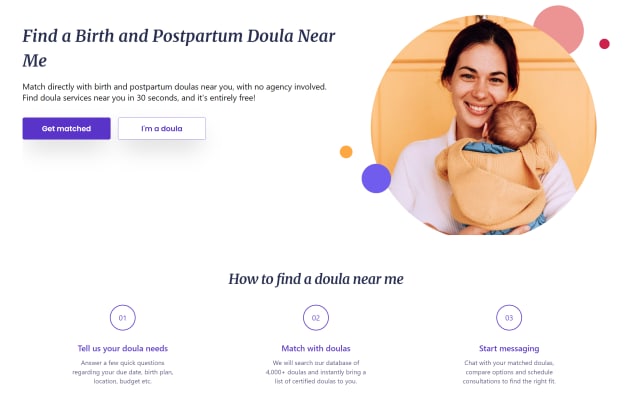
Bornbir has established itself as a pivotal platform for parents seeking doula services by offering a direct and efficient way to find both birth and postpartum doulas. Here's a brief overview of how Bornbir facilitates the connection between parents and doulas: Personalized Matching: Parents can specify their doula needs by answering a few quick questions about their due date, birth plan, location, budget, and more. This allows Bornbir to match them with certified doulas from their extensive database of over 4,000 professionals. Seamless Communication: Once matched, parents can start messaging with doulas to compare options and schedule consultations, ensuring they...
The terms "Postpartum Doula" and "Baby Nurse" (often used interchangeably with "Night Nurse") refer to professionals who provide care and support to families with newborns, but they have distinct roles, training, and areas of expertise. Understanding the differences between them can help families decide which type of support is best suited to their needs. Postpartum Doula Role and Focus: Postpartum Doulas provide holistic support to the whole family, with a particular focus on the mother's recovery after birth and the family's adjustment to having a new member. Their support is both emotional and practical, encompassing the well-being of the entire...
When deciding between a Newborn Care Specialist (NCS) and a Postpartum Doula, it's important to understand the differences in their roles, training, and the type of support they offer to families with a newborn. Here's a comparative overview: Newborn Care Specialist (NCS) Focus: Specializes in newborn care, with a strong emphasis on the physical and developmental needs of the baby. Services: Provides comprehensive care for the newborn, including feeding, diapering, bathing, and establishing sleep routines. An NCS may also offer guidance on infant nutrition, lactation support (to a lesser extent than a lactation consultant), and educate parents on infant care...