A midwife is a licensed medical professional who cares for low-risk pregnancies and mothers who want no-to-low intervention deliveries (e.g., home birth, birthing center delivery, water birth).
Can you pay for a midwife with HSA or FSA Funds in Panorama, BC?
Yes, you can use Health Savings Account (HSA) or Flexible Spending Account (FSA) funds to pay for midwifery services, as long as those services are related to medical care. Always check the specific rules of your HSA or FSA plan, as there can be variations in what expenses are considered eligible between different plans.
Are midwives covered by insurance in Panorama, BC?
In Panorama, BC, the cost of a midwife is covered by the Medical Services Plan (MSP) for residents of British Columbia who are enrolled in MSP. Registered midwives are considered primary care providers and their services, including prenatal, birth, and postpartum care, are fully funded by MSP. However, additional services or tests outside of standard care, such as certain lab work or ultrasounds, may not be covered and could incur additional costs. It is important to confirm coverage details directly with the midwife and your insurance provider.
How much does a midwife cost in Panorama, BC?
The cost of a midwife in Panorama, BC, can vary depending on the services provided and whether you are covered by provincial healthcare. In British Columbia, midwifery services are generally covered under the Medical Services Plan (MSP) for residents with valid MSP coverage, meaning there is typically no out-of-pocket cost for eligible individuals. For those without MSP or seeking additional services, costs can vary, so it is best to contact a local midwifery practice directly for specific pricing and details.
What's the difference between a midwife and a doula?
A midwife is a trained health professional who helps women during labor, delivery, and after the birth of their babies. Midwives can provide gynecological examinations, prenatal care, and postpartum support. They are qualified to deliver babies and are trained to handle certain complications during childbirth. A doula, on the other hand, is a non-medical professional who provides emotional, physical, and educational support to a mother who is expecting, is experiencing labor, or has recently given birth. The doula's role is to help women have a safe, memorable, and empowering birthing experience. They are known for their continuous support, beginning during pregnancy and lasting through the postpartum period. While midwives have a broad scope of practice that is clinical in nature, doulas specialize in the non-clinical aspects of care. They might be preferred by mothers who are looking for continuous bedside support that is not typically provided by the medical staff. Doulas are known for their advocacy for the mother's wishes during childbirth, which can be especially valuable in hospital settings where the mother may desire a birth plan that deviates from standard procedures.
What's the difference between a midwife and an OBGYN?
A midwife is a healthcare professional who specializes in low-risk pregnancies, childbirth, and postpartum care. They typically emphasize a natural and holistic approach, focusing on minimal medical interventions. Midwives often work in birth centers, at home births, or in hospitals, depending on their certification and location. They provide personalized care and support throughout pregnancy and labor and may also assist with breastfeeding and newborn care. An OBGYN is a medical doctor who has completed extensive training, including medical school and a residency, specializing in obstetrics and gynecology. They care for all types of pregnancies, including high-risk cases, and are trained to handle medical complications, perform surgeries (like C-sections), and provide comprehensive reproductive healthcare beyond pregnancy. OBGYNs typically work in hospitals or clinics and can manage a broader range of medical situations.
Can I see a midwife for an IVF pregnancy?
Yes, you can see a midwife for an IVF pregnancy. Midwives are trained to provide care during pregnancy, including for those conceived through IVF, as long as the pregnancy is low-risk. They can help with prenatal care, labor, and delivery, and provide postpartum support. However, if your IVF pregnancy is considered high-risk or involves complications, you may need to work with an obstetrician in collaboration with the midwife to ensure proper care. Always consult with your healthcare provider to determine the best care plan for your situation.
How much does it cost to use Bornbir?
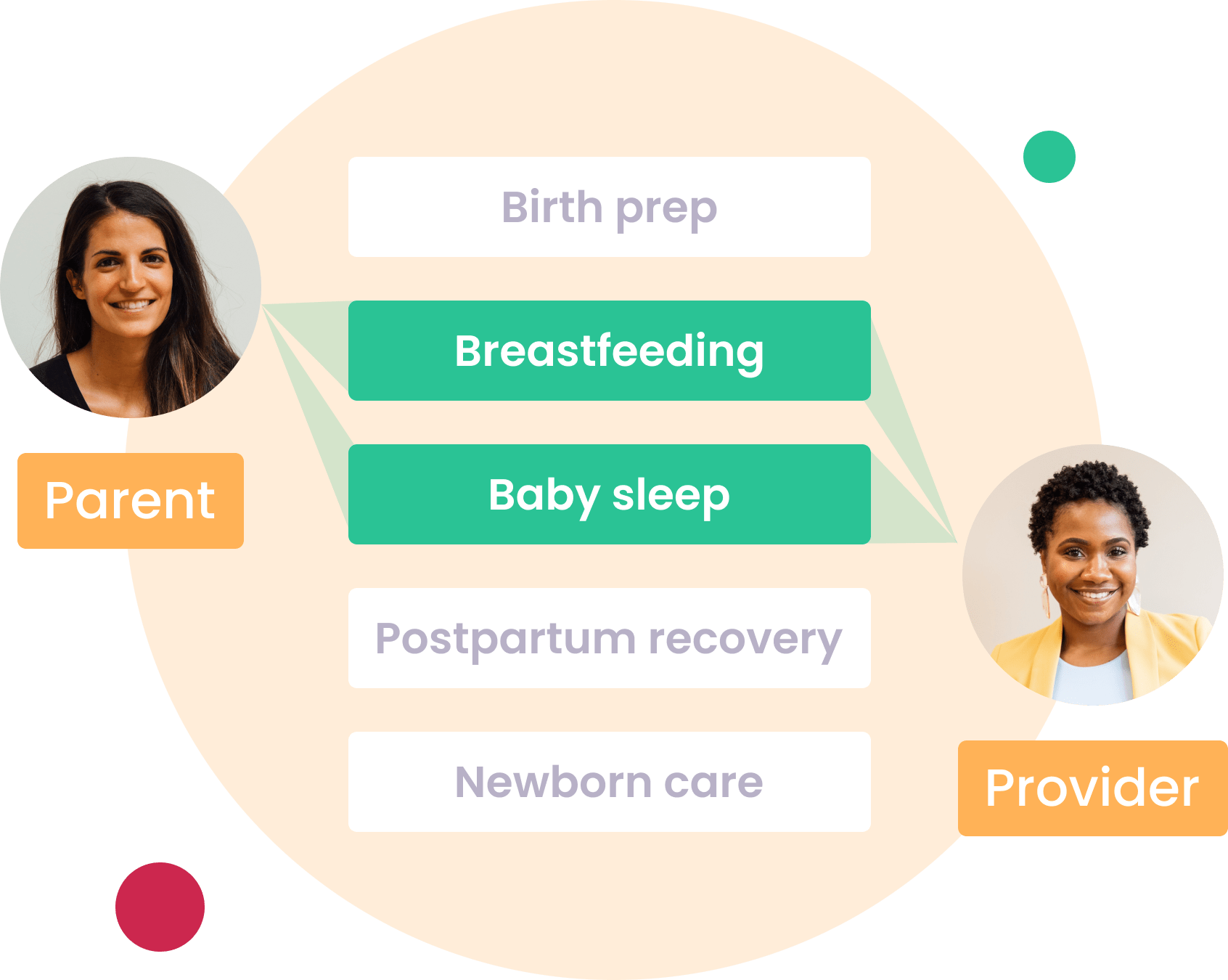
Bornbir is entirely free for new and expecting parents to use. To begin, simply tell our community of midwives what you need in your job posting and let the right providers come to you. You can then engage in direct conversations with top-rated midwives to learn more and make informed decisions. Our goal is to facilitate a seamless and accessible experience for you as you embark on this transformative journey. Get started here.
Trusted by thousands of parents worldwide
parents seeking support per month
2,500+
midwives ready to support you
1000+
positive reviews posted by parents
10,000+
covered cities in US and Canada
1200+
What parents are saying...
“I wish I knew about Bornbir sooner, as it's so important to surround yourself with experts who understand during those overwhelming moments and share evidence-based information.”
“I found my birth doula on Bornbir. After submitting my needs, I was able to connect with several awesome doulas that are within a local distance from me.”
“Bornbir is a powerful network. It makes connecting with maternal providers so much easier. It means supporting one another through this parenthood journey, no matter what stage you are in.”